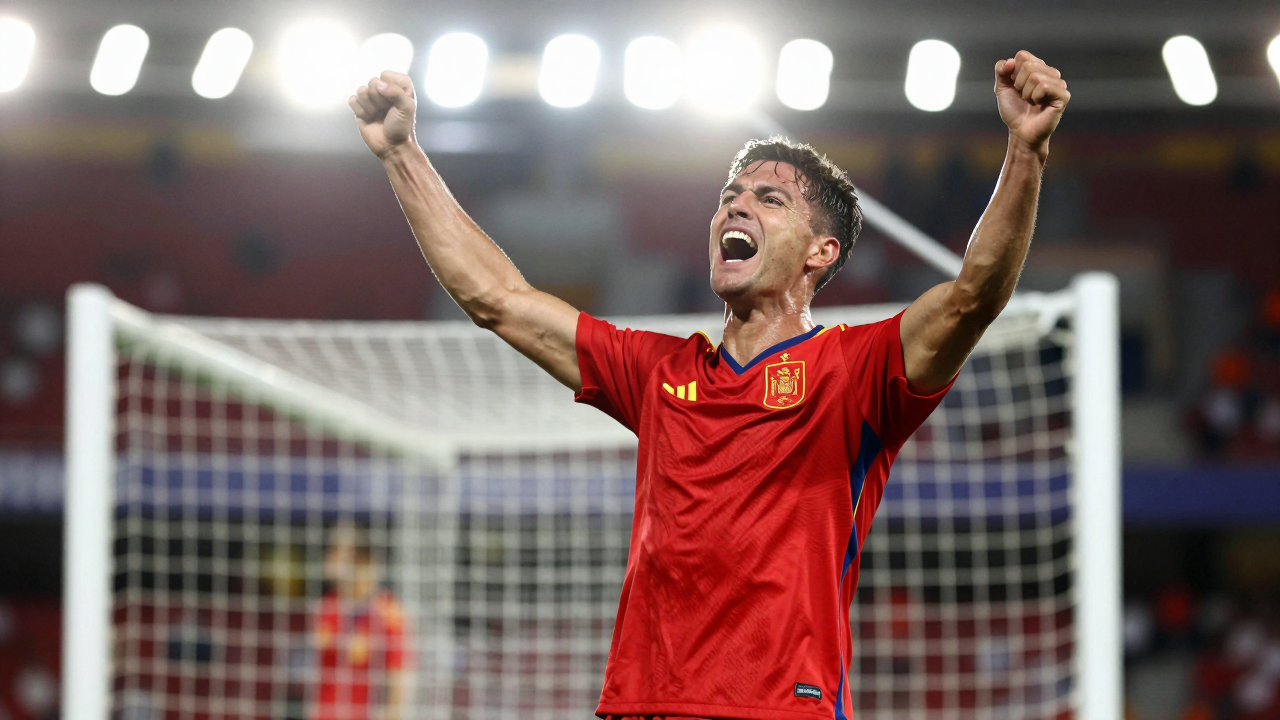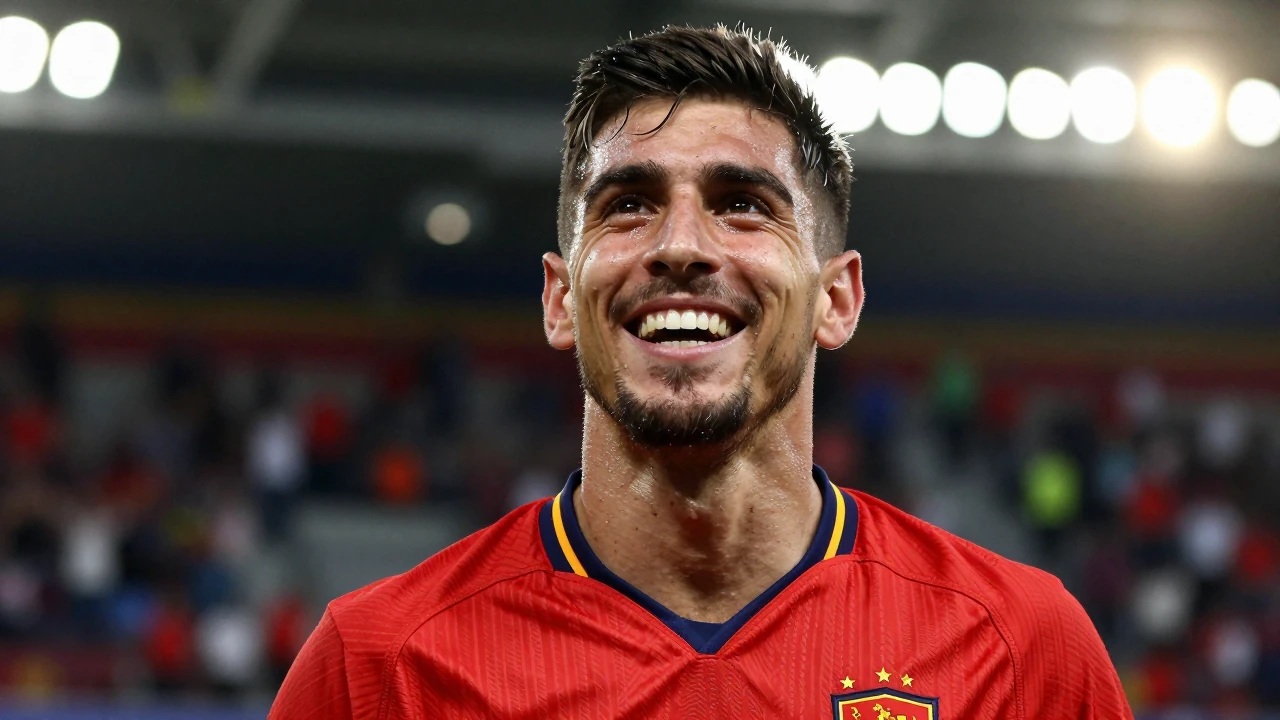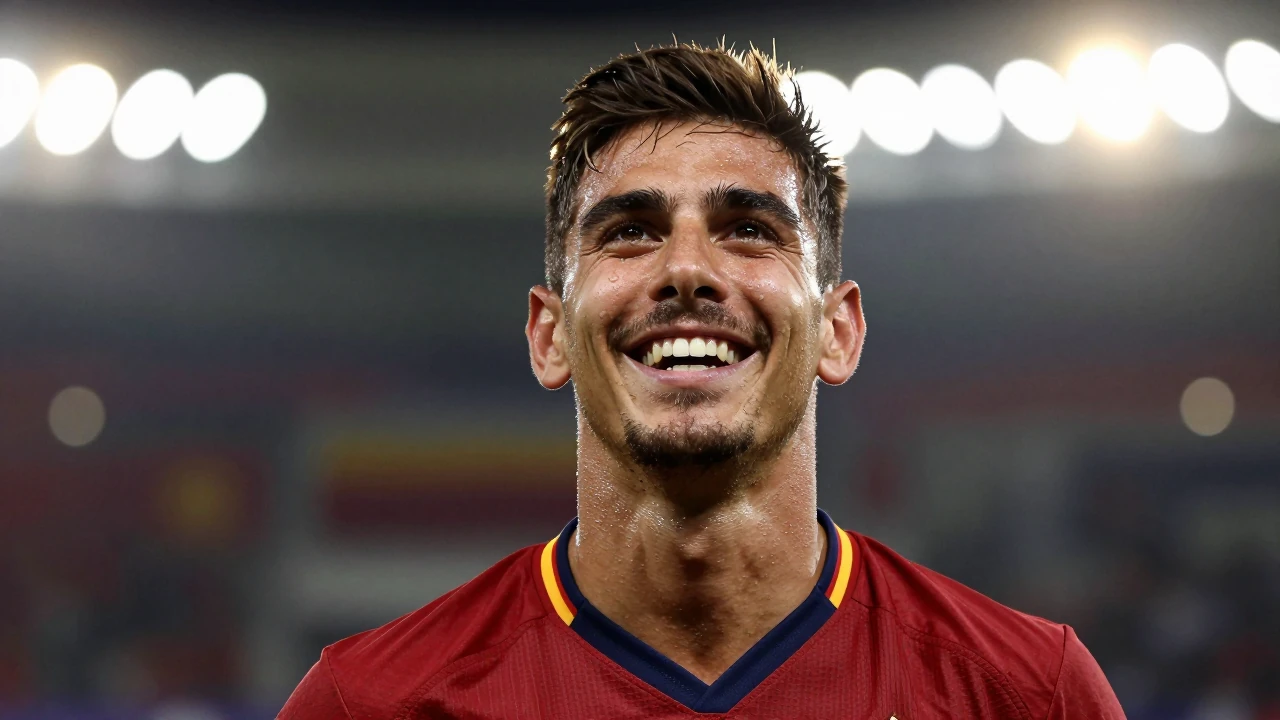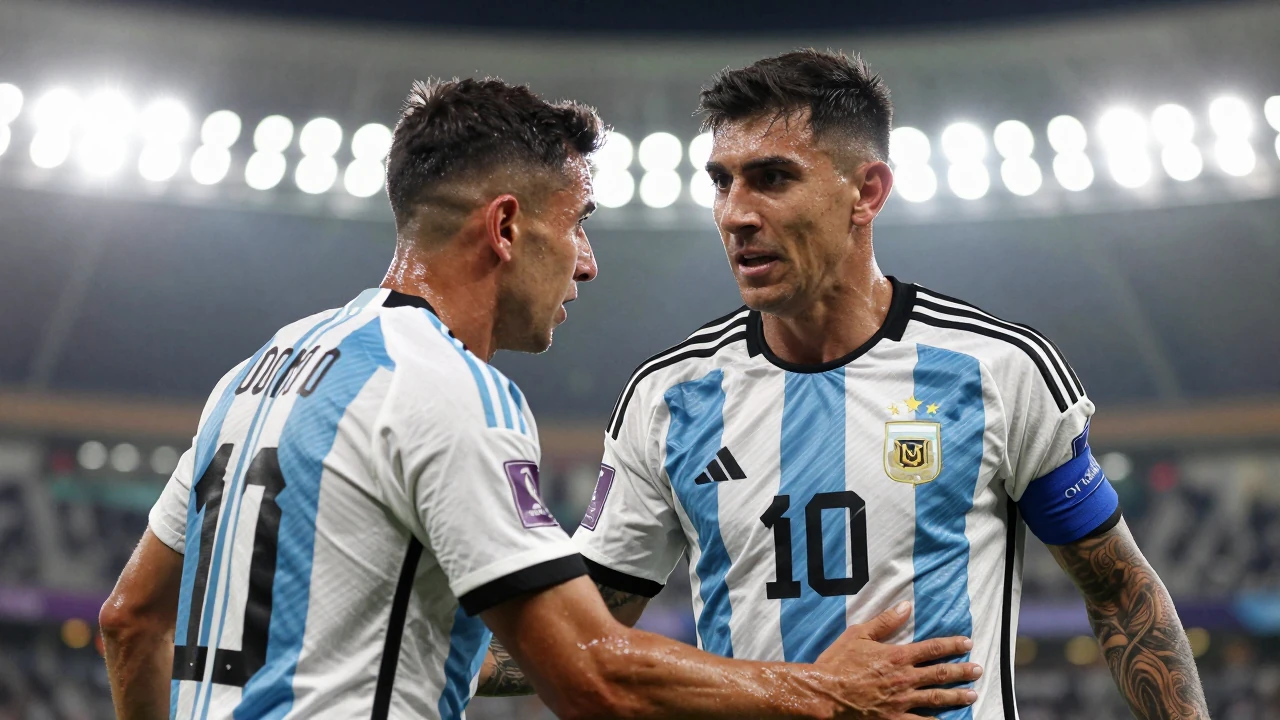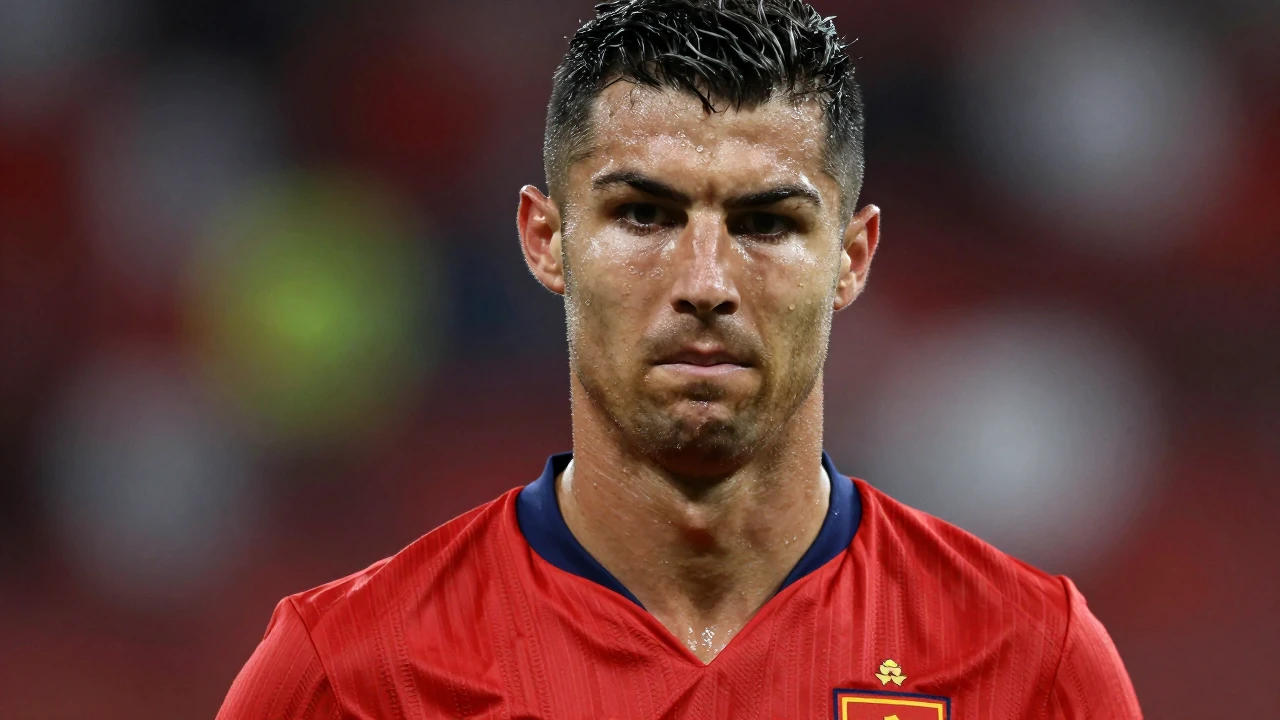
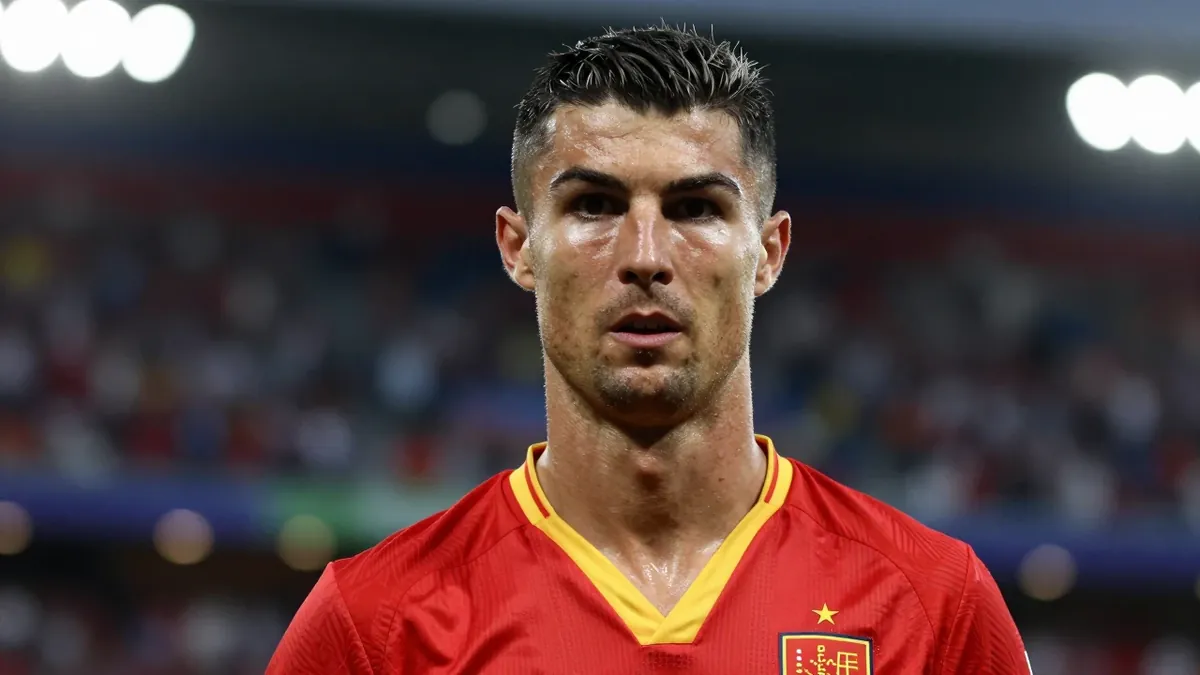
Spain's World Cup-winning squad is the backdrop to one of FIFA's harshest punishments in years, handed to Argentina following the 2026 final. Football's governing body has issued a combined 21-game ban to Argentine players and staff for the altercations that followed the final whistle.
Spain were crowned world champions on July 19, 2026, after a 1-0 extra-time victory over Argentina at MetLife Stadium. Their winning streak is flawless, with five consecutive victories, the most recent being against Argentina.
FIFA detailed individual sanctions following a thorough investigation. Midfielder Leandro Paredes received the most severe penalty: a 10-match ban and a $90,000 fine for three counts of assault. He is followed by defender Nahuel Molina, with a 7-match suspension and another $90,000 fine for two counts of assault. Attacking midfielder Thiago Almada was sanctioned with one game and $30,000 for unsporting behaviour, while team official Roberto Ayala received a 3-match ban and a $30,000 fine for one count of assault.
The Argentine Football Association (AFA) also faced consequences. The governing body was fined $310,000 and ordered to play its next home match with a 50% stadium closure. A second one-game partial closure sanction was suspended under a probationary period. These AFA sanctions were for "using a sports event for non-sporting demonstrations, discrimination and racist abuse, and order and security at matches."
The combined 21-game suspensions place this case among the most significant in FIFA's recent history. However, it is not the only precedent for mass punishments. In 2006, after a World Cup playoff in Istanbul between Turkey and Switzerland, players Alpay Ozalan, Emre Belozoglu and Benjamin Huggel each received 6-match bans.
Longer individual bans have been for severe misconduct. Uruguayan striker Luis Suárez was suspended for 4 months from all football and for 9 international matches in 2014 for biting Italian defender Giorgio Chiellini at the Brazil World Cup. An even more extreme lifetime ban was given to Chilean goalkeeper Roberto Rojas in 1989, after he cut himself with a razor blade hidden in his glove during a qualifier against Brazil at the Maracanã. His ban was lifted in 2001.
The tension in the Argentine camp did not start in the final. After their 2-1 semi-final victory over England at Atlanta's Mercedes-Benz Stadium, Argentine players celebrated with a banner reading 'Las Malvinas son Argentinas'. The BBC described the message as "reported as having pro-fascist connotations". This episode, combined with the final incidents, contributed to FIFA's harsh verdict against the federation.
Other cases of lifetime bans include Indonesian defender Mursyid Effendi in 1998, for deliberately scoring an own goal in the Tiger Cup to avoid facing Vietnam in the semi-finals. Even a legend like Diego Maradona was not exempt: he was banned for 15 months in 1994 after failing a random drugs test following a World Cup match against Nigeria.
For the Spanish national team, the focus is entirely on the future. The squad, riding a 5-game winning streak, now prepares for its next challenge. On September 26, they travel to face England in a match that promises to be another intense chapter of this campaign. The mood is one of maximum concentration, with sights set on maintaining their leadership and the impeccable form that has taken them to the top.