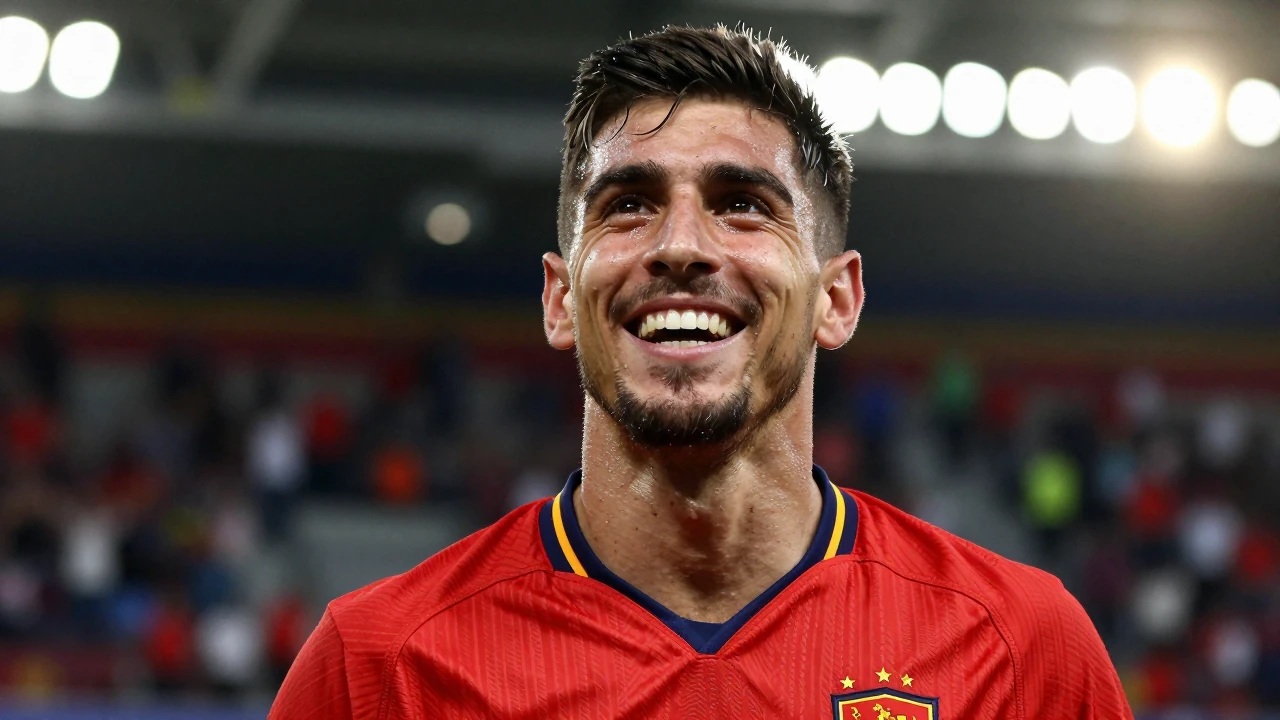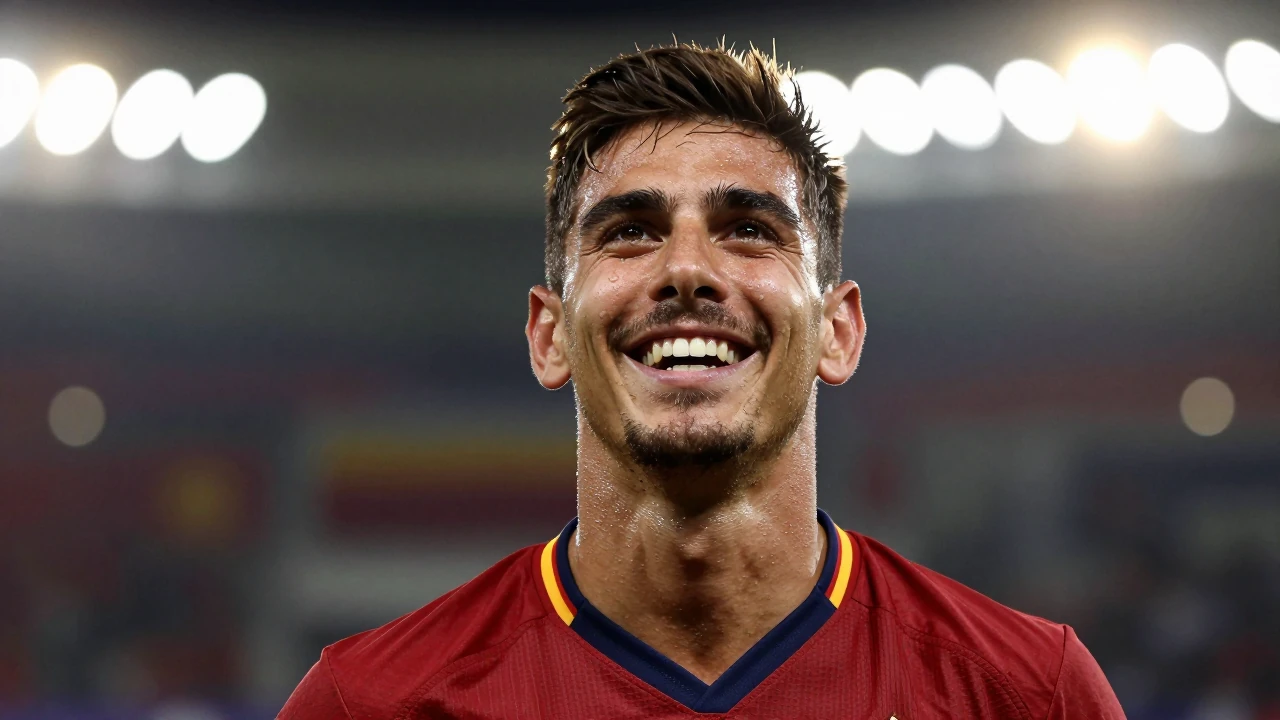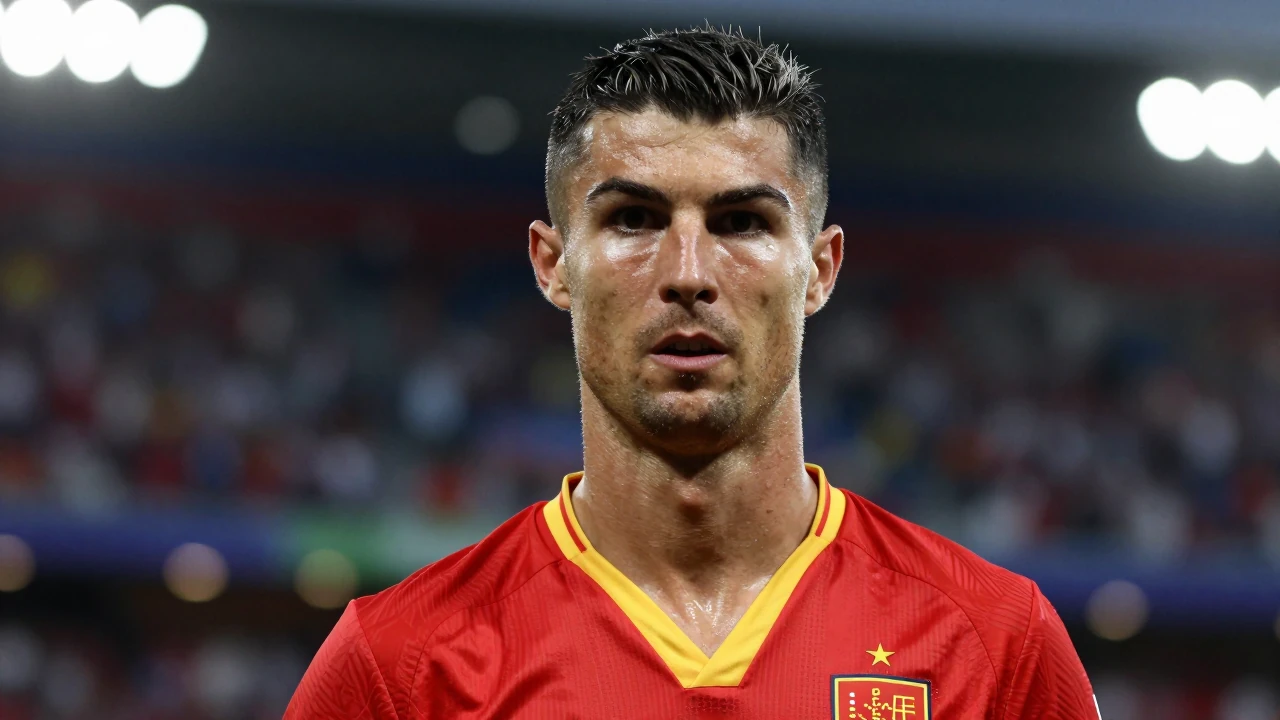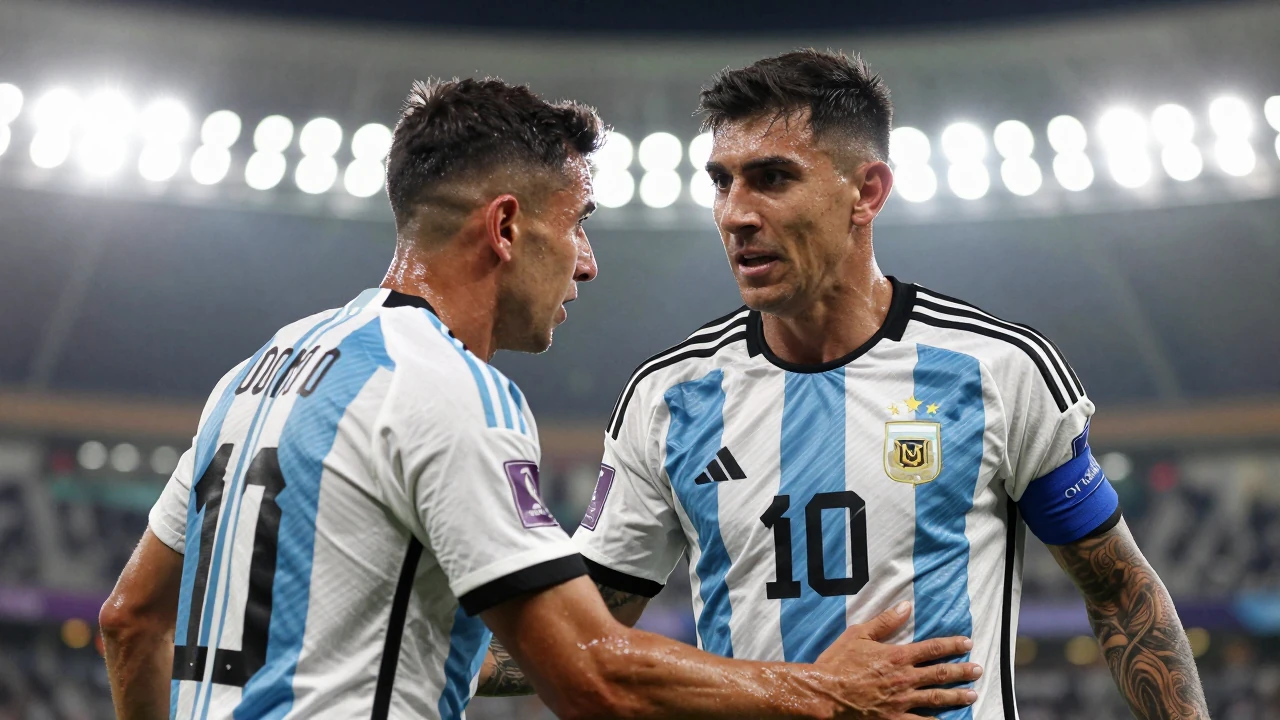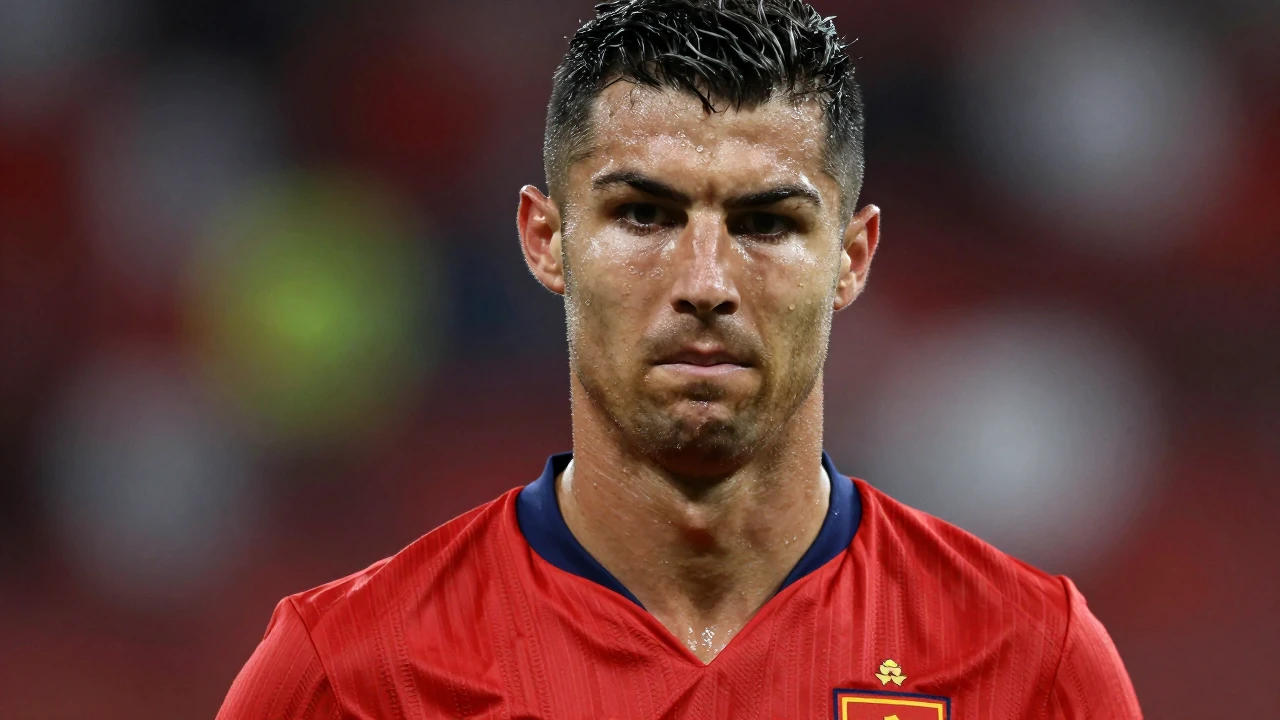
The Spain national football team were crowned 2026 World Cup champions after defeating Argentina in the final. Ferran Torres's goal in the 106th minute of extra time sealed a historic victory on July 19 at New York New Jersey Stadium. According to a report from outsfl.com, Spain’s second world title will remain the sporting headline. The team maintains impeccable form, leading the world rankings with 7 points from 3 games and a run of five consecutive wins, the most recent being that very win over Argentina.
How was the 2026 World Cup final decided?
The match was extremely tight and required extra time. Forward Ferran Torres was the hero, scoring the game's only goal after 106 minutes of play. This victory confirms Spain's excellent form, having not conceded a single goal in their last five matches and boasting a +5 goal difference in the current competition. The next challenge is a high-profile friendly against England on September 26, a fixture you can track on our fixtures page.
What records did the 2026 World Cup set?
The tournament, jointly hosted by Canada, the United States, and Mexico, had the highest scoring rate in over half a century. With 48 teams, 104 matches, and 308 goals, the average was 2.96 goals per game. FIFA stated this was the highest World Cup scoring rate since the 1970 tournament. Furthermore, the event attracted 6,810,966 spectators across 16 host cities, from Vancouver to Miami.
What is the tournament's physical legacy in North America?
The organization left a tangible footprint beyond sport. Mexico, which hosted the tournament for the third time in its history, is renovating 500 football pitches as part of the legacy. These include natural- and artificial-turf fields, seven-a-side courts, and full-size grounds. A joint project by FIFA, the Inter-American Development Bank, and the Mexican Football Federation plans to build eight community mini-pitches across Mexico by the end of 2026. The first opened in La Paz in June.
What's next for world football?
Attention now turns to the 2030 World Cup, which will have a historic format. Spain, alongside Portugal and Morocco, will stage 101 matches. Meanwhile, Argentina, Paraguay, and Uruguay will each host one centenary celebration match. The Spanish national team, the current champion, enters this new cycle from a position of strength, sitting four points clear at the top of the standings with a settled squad detailed on our squad page. The team travels to Wembley to face England in two weeks' time.