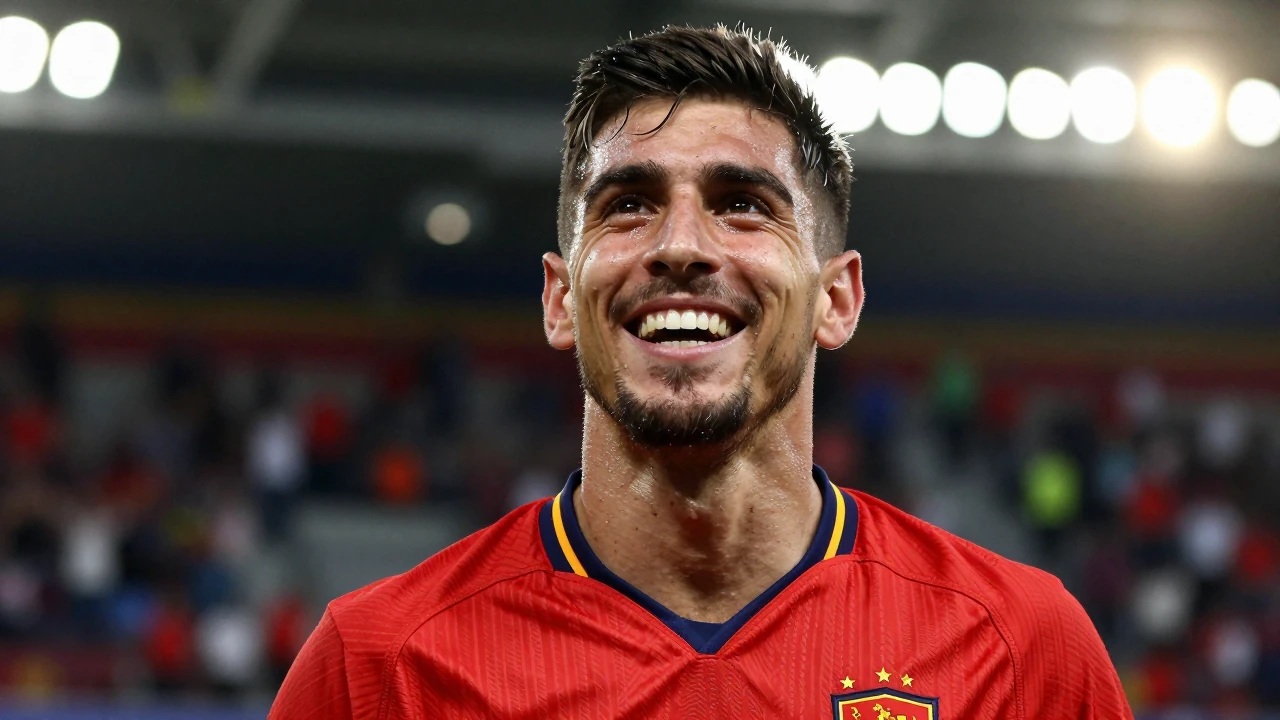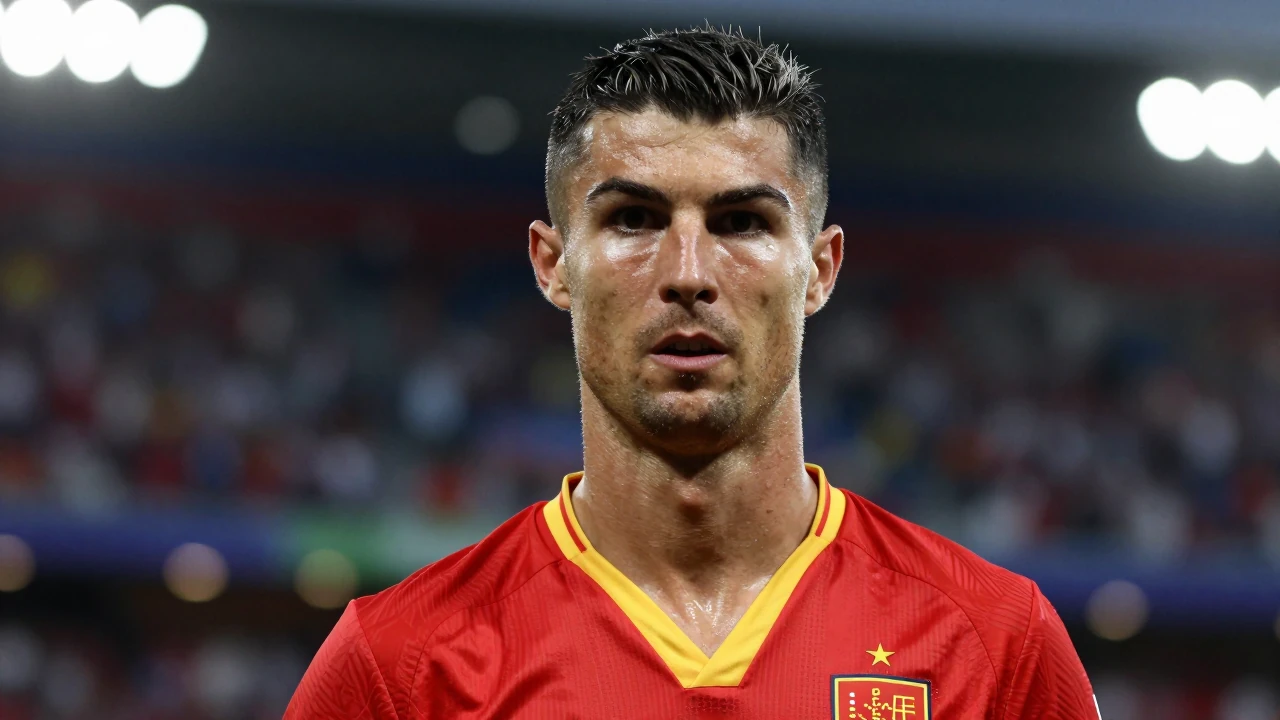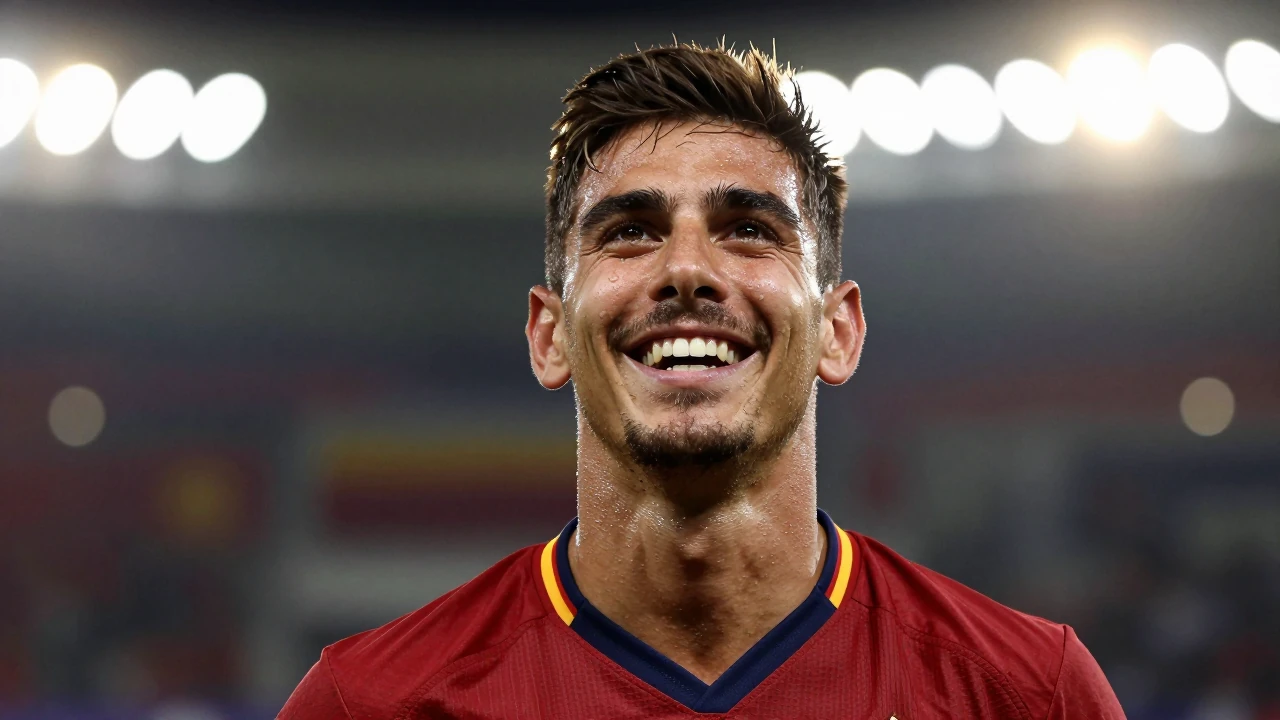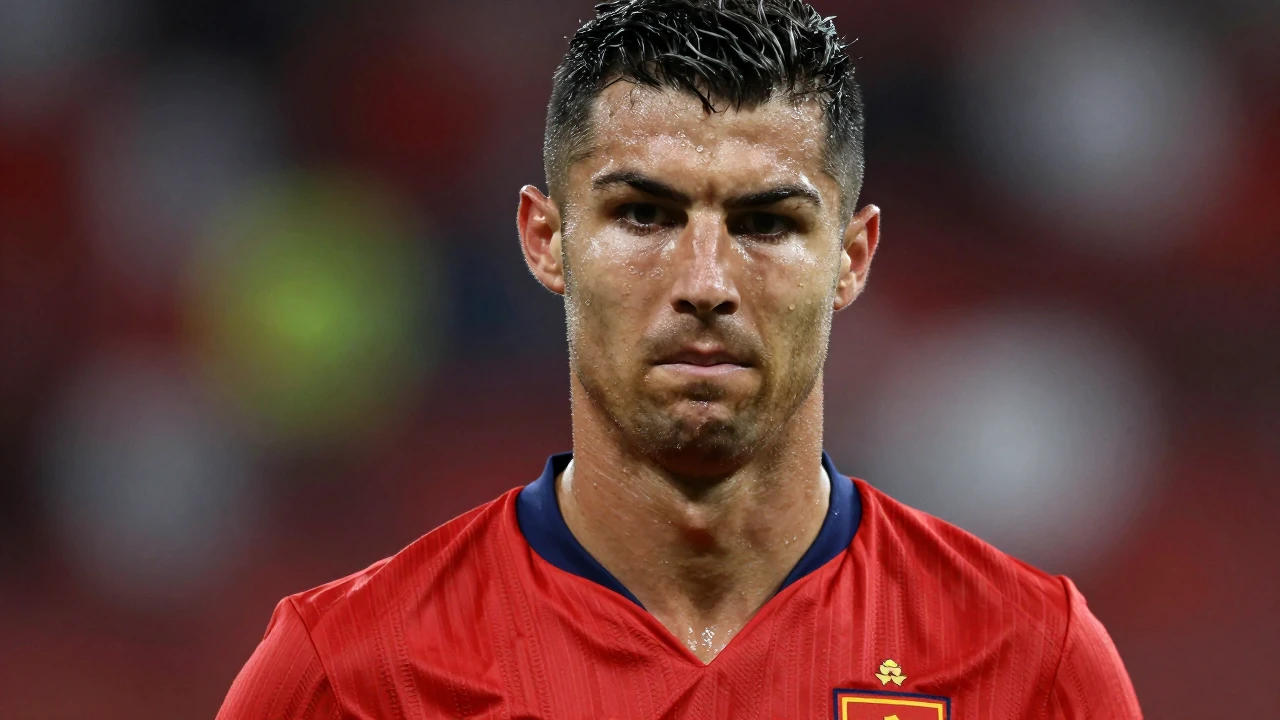
FIFA has handed severe sanctions to Argentina players for their conduct in the altercations following the 2026 World Cup final against Spain. The world football governing body announced fines and suspensions on Thursday after investigating the incidents that followed the decisive match on July 19.
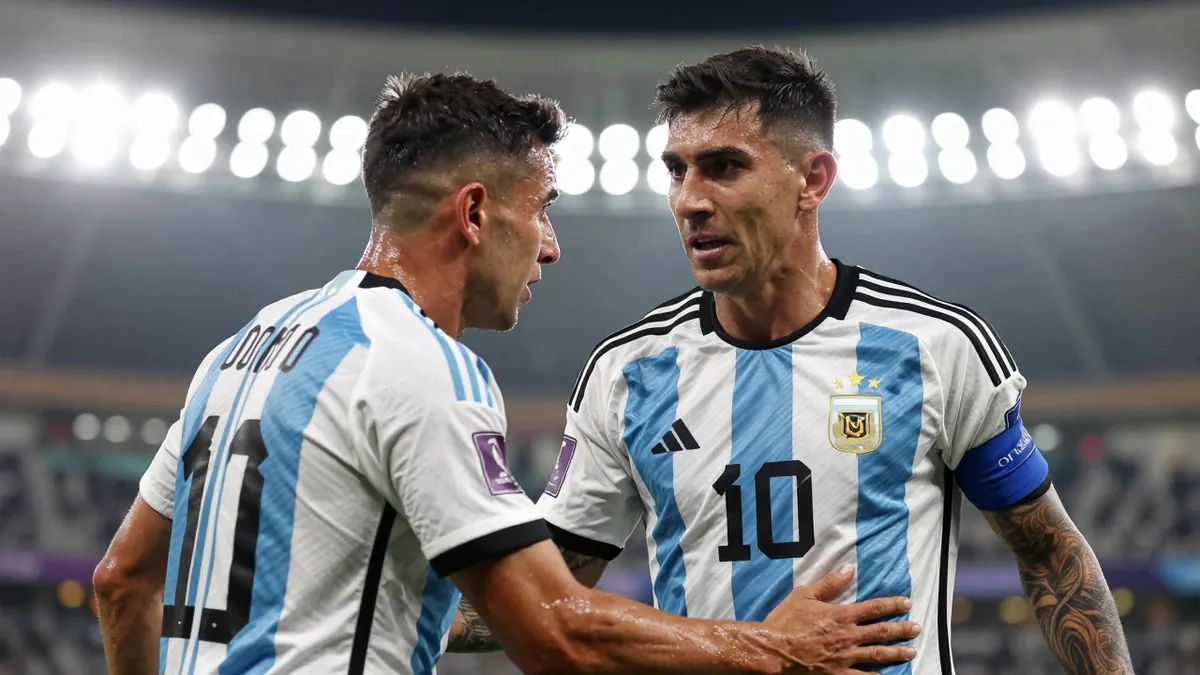
Midfielder Leandro Paredes received the harshest punishment: a ten-game suspension and a $90,000 fine. Paredes grabbed Spanish defender Eric Garcia by the throat and also pushed Gavi to the ground during the scuffles that erupted after the final whistle. This ban amounts to virtually a one-year expulsion from the Argentina national team, as FIFA's calendar for national teams includes only ten matches through June 2027.
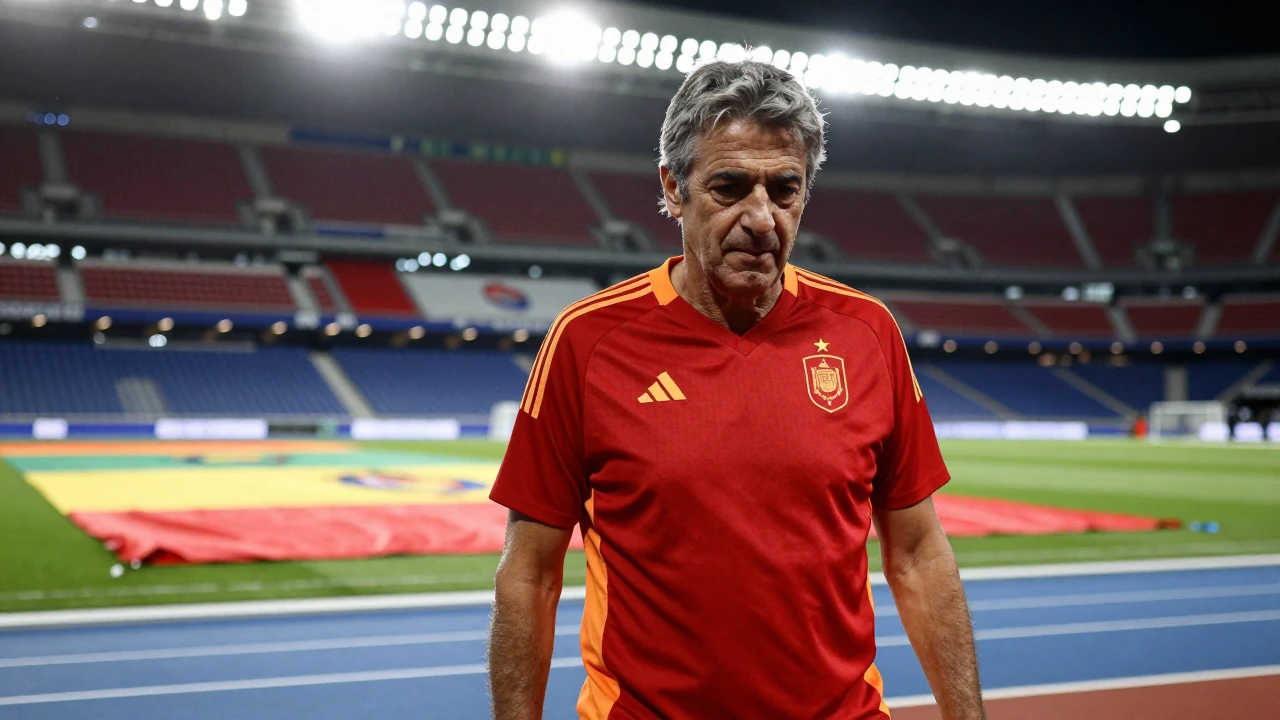
Argentina defender Nahuel Molina was suspended for seven games and also fined $90,000. His teammate Thiago Almada received a one-match ban and a $30,000 fine. On the bench, coach Roberto Ayala did not escape consequences, with a three-match suspension and another $30,000 fine.
The Argentine Football Association (AFA) as a whole was fined $110,000 for incidents during the World Cup. These included players carrying a political banner about the Falkland Islands after the semi-final against England and discriminatory chants by some fans. Additionally, the AFA was ordered to invest $100,000 in anti-racism projects.
Spanish midfielder Gavi was also sanctioned with a one-match suspension. He will serve his ban in the upcoming Nations League match against England at Wembley, scheduled for September 26. This match is the next on La Roja's fixtures schedule, arriving during a period of exceptional form.
The team has not conceded a single goal in this phase, with a 5-0 goal difference. Mikel Oyarzabal is the top scorer this season with 5 goals in 8 appearances, according to our stats data.
Suspensions for off-the-ball aggression are treated by FIFA as assault cases. A notable precedent occurred in 2014, when Uruguayan forward Luis Suárez was suspended from all football for four months for biting Italian defender Giorgio Chiellini during a World Cup group stage match in Brazil. That sanction included matches with his new club, Barcelona, and an eight-game ban for Uruguay.
The AFA has the right to appeal the longer sanctions and fines to FIFA first, and could later take the case to the Court of Arbitration for Sport (CAS). The Argentine federation received $34 million in prize money for its World Cup participation, funds that could now be affected by these fines.
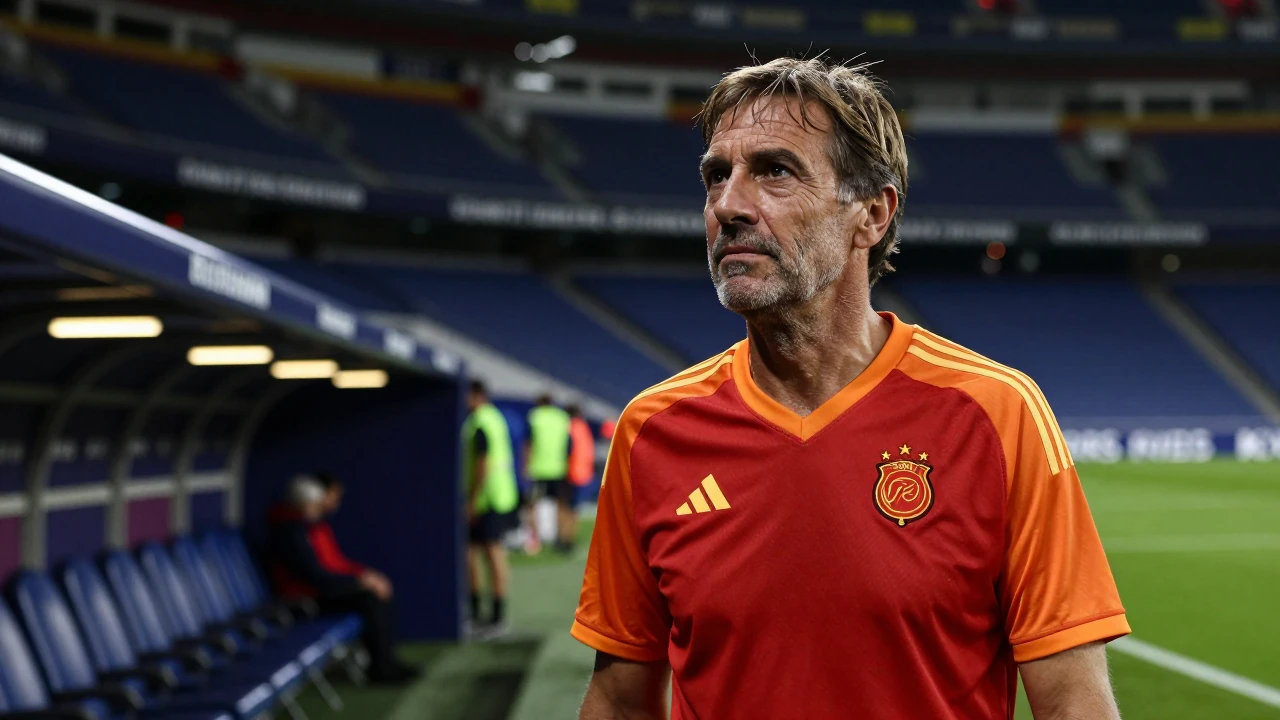
The sanctions leave Argentina with a severely depleted squad for their upcoming commitments, which will likely all be friendlies as they currently have no competitive matches scheduled. For Spain, the focus is now on preparing for the clash against England at Wembley without Gavi, a key player. La Roja maintains a four-point lead over Cape Verde Islands in the standings and looks to continue its impeccable defensive streak.
The final on July 19, decided by a solitary Ferran Torres goal in the second period of extra time, had already been tense on the pitch, with Argentina's Enzo Fernández sent off. The subsequent altercations have now resulted in disciplinary consequences that will extend through the next international season.