The Significance of the Announcement
This Monday, in a highly anticipated press conference from Madrid, Luis de la Fuente, the new Spain head coach, unveiled the list of players who will represent La Roja in the upcoming 2026 FIFA World Cup. With Spanish football seeking to re-establish itself at the elite level after a period of ups and downs, the national team enters this phase with a renewed sense of purpose. Fans and experts alike hope that this squad not only reflects current talent but also projects a long-term vision for the future of Spanish football.
The excitement and anticipation are palpable, as this will be the first World Cup held across three countries: the United States, Canada, and Mexico. This context adds an intriguing dimension, as La Roja aims to leave a significant mark on a tournament that promises to be remembered for its diversity and scale.
Who are the Selected Players?
The roster features a blend of experience and youth, with players who have showcased their quality in European competitions and domestic leagues. Some of the standout names include: - Gavi (Barcelona) - The young prodigy has been a revelation in midfield, and his presence is vital for Spain's possession game. - Pedri (Barcelona) - With his vision and technical skills, he is expected to be a central figure in creating plays. - Alvaro Morata (Atlético de Madrid) - As a forward, Morata will bring his experience and goal-scoring ability to the Spanish attack.
This squad also sees the return of veterans who provide significant experience, alongside the inclusion of new talents who have impressed at their clubs. The diversity of the squad could be crucial in a tournament with such a wide format.
Tactical Analysis of the Squad
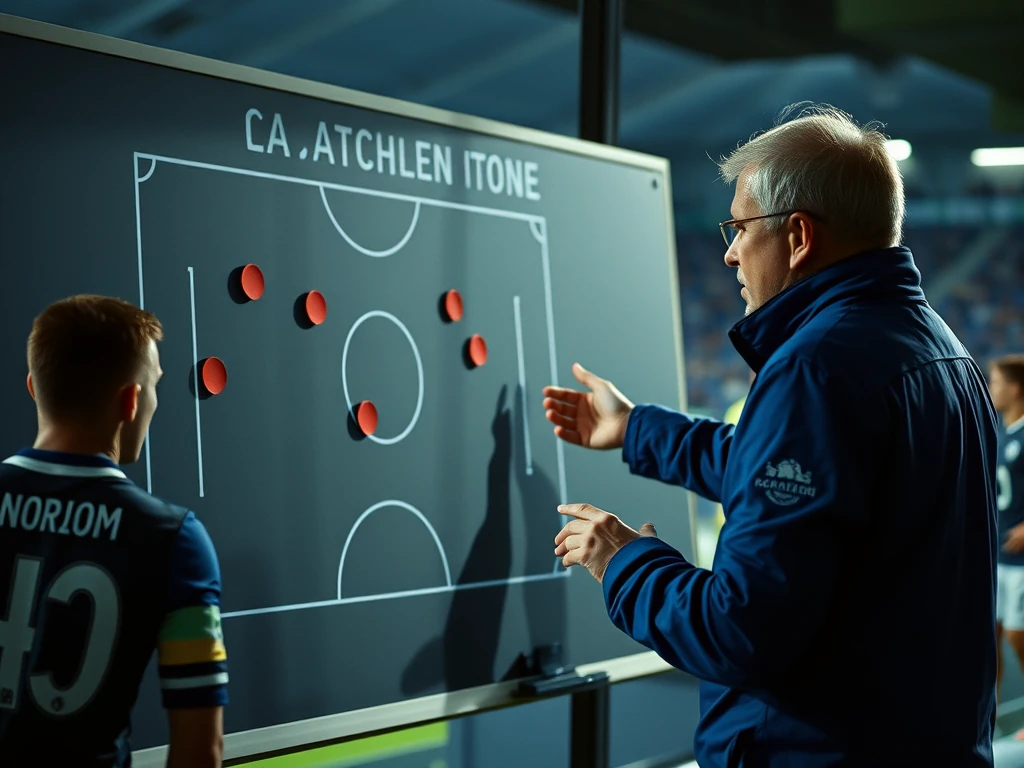
With Luis de la Fuente's vision in mind, La Roja's tactical approach seems geared towards a proactive style of play, based on possession and control of the game. This approach has been characteristic of Spanish football in the past, and the hope is to reclaim this identity.
Formations and Strategies
- 4-3-3: This formation would allow for a strong midfield, with options on the wings, ideal for speedy players like Yéremy Pino.
- 3-5-2: With two forwards, Spain could be more aggressive, exploiting speed in quick transitions.
The key will be the players' ability to adapt to different situations on the field. De la Fuente's tactical versatility will be tested, and his ability to motivate and unite the group will be essential.
Impact on Fans and Expectations
The reaction from fans to the squad announcement has been mixed, with palpable optimism among younger supporters who see in the new generation of players the opportunity to revive the past successes of La Roja. However, older fans remain skeptical after recent disappointments in tournaments.
Fan Opinions
- Positive: The inclusion of young talents like Gavi and Pedri generates hope.
- Negative: Some question the experience of the defense and attack.
Luis de la Fuente faces the challenge of uniting these visions and leading the team towards a common goal: success in the 2026 World Cup. The passion of the fans will be a crucial factor in this journey.
The Perspective of Other Teams
The landscape of international football is more competitive than ever. Teams like France, Brazil, and Argentina have consolidated themselves as powerhouses in recent years, and the pressure on La Roja to compete at the highest level is intense. However, football is unpredictable, and history has shown that surprises can occur in tournaments.
Rivals in the Group
- Germany: Always a formidable opponent, with a rich history in World Cups.
- Italy: A team in transition but with undeniable talent.
- Japan: A team that has proven to be competitive and can spring surprises.
Spain's ability to adapt and overcome these opponents will be pivotal in the tournament.
What's Next for Spain?
As the 2026 World Cup approaches, Luis de la Fuente and his coaching staff will intensify their preparations. Physical and tactical training will become a priority, as will establishing strong chemistry among players. The upcoming friendly matches will be crucial for fine-tuning details and establishing the ideal lineup.
Fans are eagerly awaiting, hopeful that La Roja can not only compete but also shine on the world stage. Spain's history in World Cups has had its ups and downs, and this is a golden opportunity to rewrite it.
Conclusion
The squad announcement by Luis de la Fuente reflects the evolution of Spanish football. With a mix of youth and experience, the road to the 2026 World Cup is marked by the promise of a new chapter in La Roja's history. Undoubtedly, all eyes will be on how this journey unfolds in the coming months.