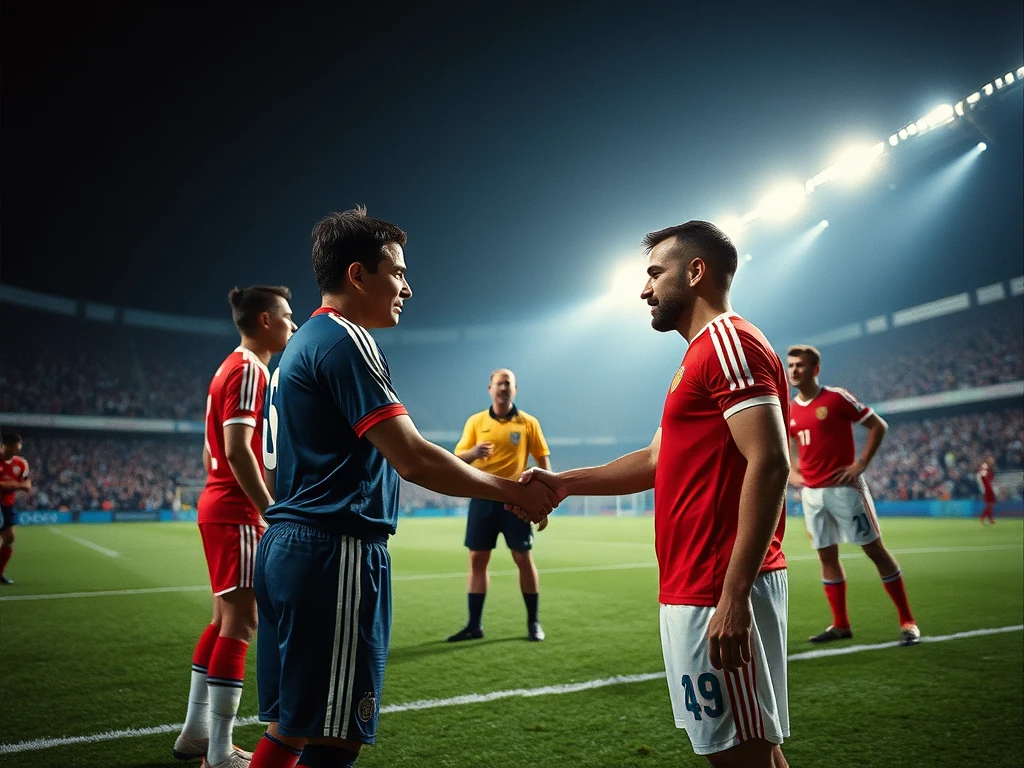
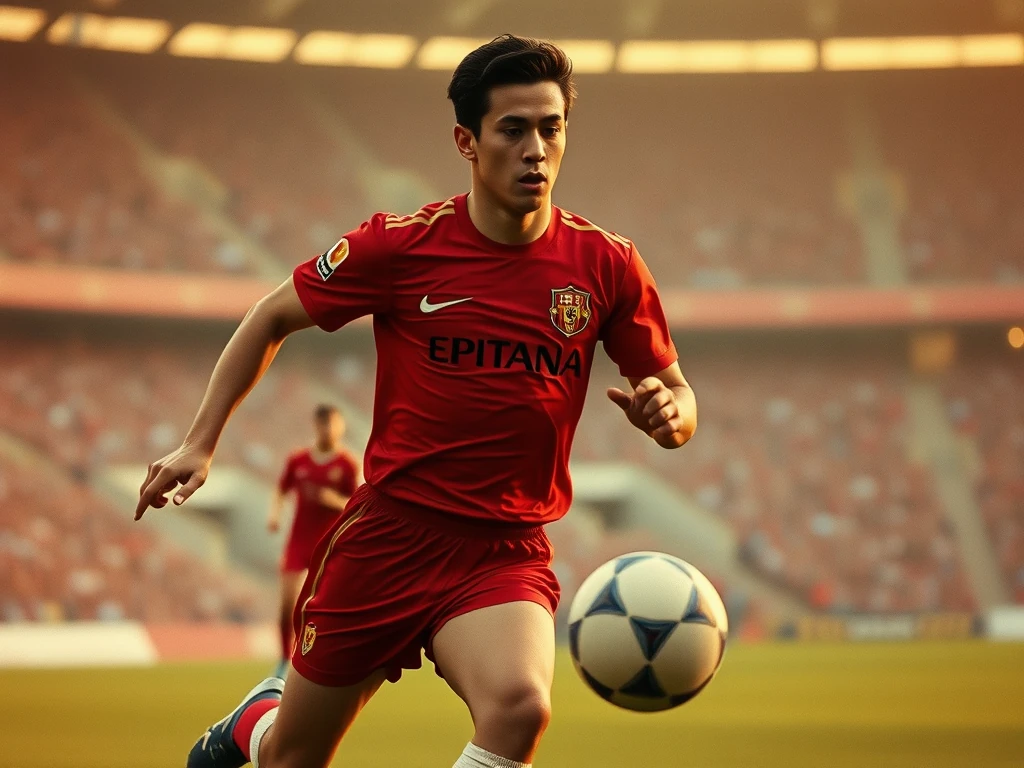
The 1950 World Cup, held in Brazil, is remembered by many fans as one of the most unusual editions of the tournament. This time, the format was different from the usual, featuring a final group of four teams competing for the title. La Roja, which had returned to the tournament after an absence since 1934, arrived with hopes of surprising the football world.
Spain's journey in that World Cup began with an unforgettable match against Uruguay, which ended in a victory for the South Americans, but what truly resonated was the style of play displayed by La Roja. With a mix of young talent and experience, the team, led by legendary coach José Villalonga, showcased an attractive and offensive brand of football that captured the attention of fans.
The true moment of glory came in the match against Sweden, where Spain triumphed 3-1, securing their spot in the final phase of the tournament. This encounter highlighted players like Alfredo Di Stéfano and Francisco Gento, who would go on to become legends of Spanish football. The victory reflected the evolution of football in Spain and marked a turning point in the team's mentality.
The final match against Brazil was an unforgettable chapter, where La Roja fought bravely. Although Spain did not manage to take home the title, the team's performance was a clear indication that Spanish football was on the rise. The 1950 World Cup not only left a mark on history but also inspired future generations of footballers in the country.
As La Roja prepares for the 2026 World Cup, it is important to remember how participation in 1950 helped establish a national identity and pride in football. Many consider this tournament the first step toward Spain's greatness on the international football stage. The story of La Roja in 1950 serves as a reminder that humble beginnings can lead to great achievements in the future.