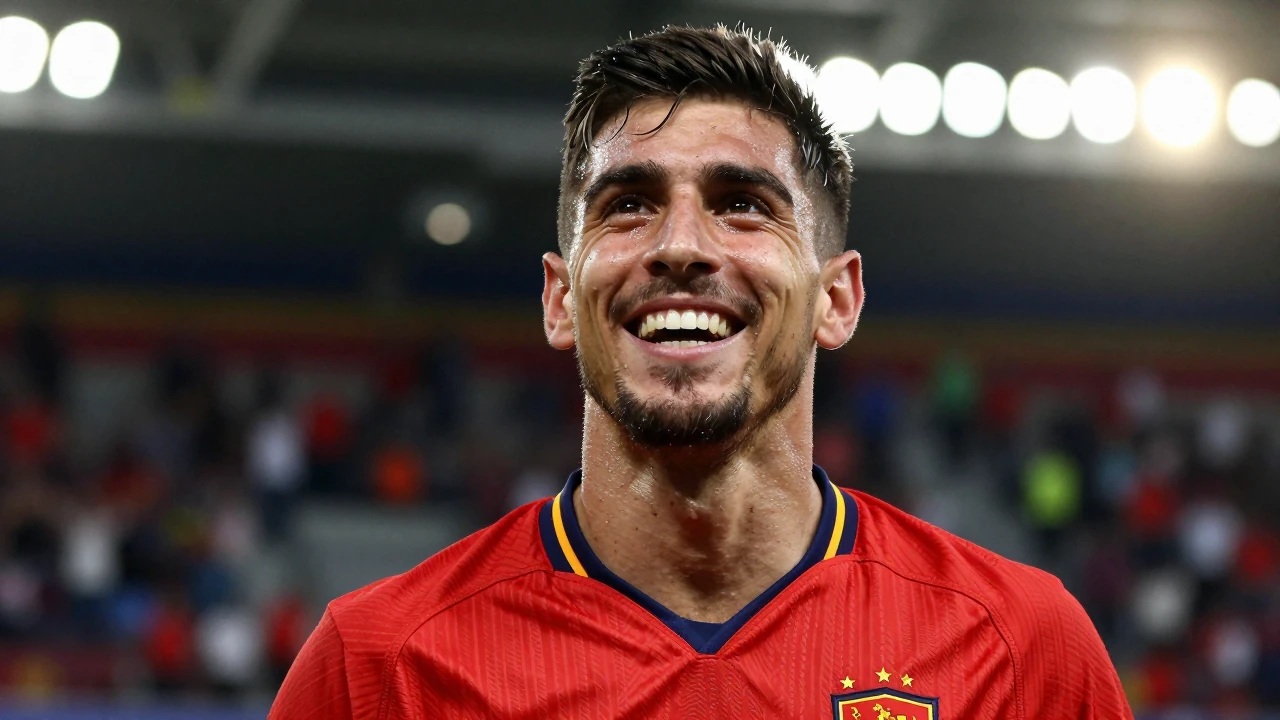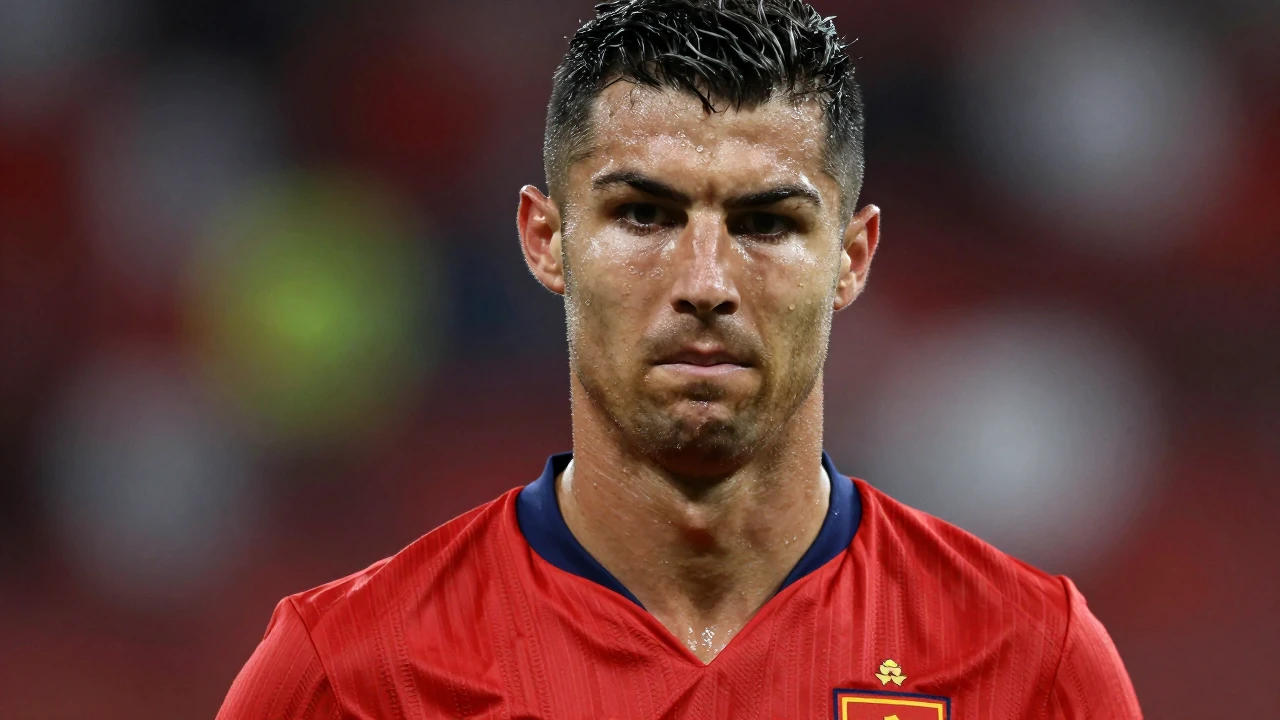
Borja Iglesias became a world champion with Spain in 2026. The 33-year-old forward reflects on the path of sacrifice that led him to World Cup glory, according to an interview published by Radio Mitre.
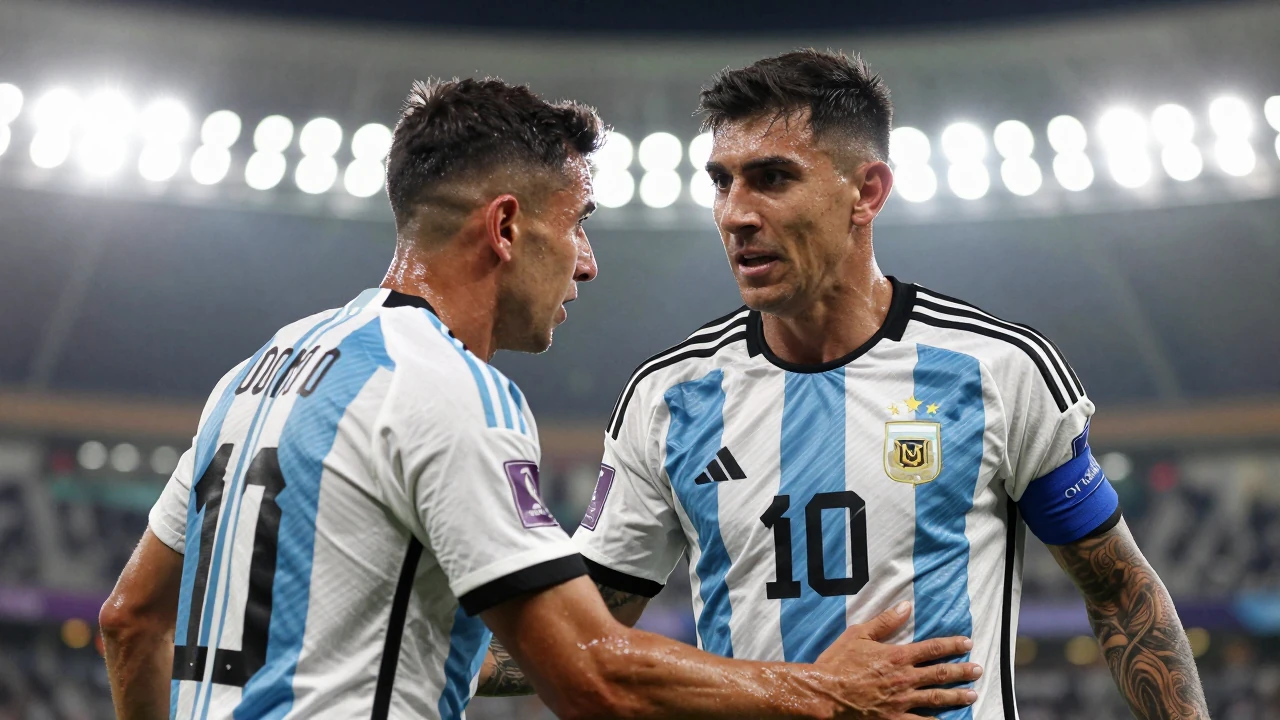
The Galician player lifted the trophy on July 19 after a 1-0 victory over Argentina in the final. His call-up to the Luis de la Fuente-managed national team capped a career built on tough decisions and constant moves since his teenage years.
How did his youth development unfold?
Borja Iglesias began his journey at age 14. After a regional tournament, Valencia scouts signed him for their academy. "My parents made a great effort by putting the suitcase in my hand at 14 so I could fulfill my dream," the forward confessed. His grandfather Argemiro played a key role, taking him to training in his early days.
He balanced studies with football for years. "I continued studying secondary school in Valencia, I did my baccalaureate in Villarreal and in Vigo I no longer studied," Iglesias explained. This formative path prepared him for the demands of professional football. The Spanish national team features several players with similar trajectories in its current squad.
Which clubs defined his career?
His professional career took him through several Spanish clubs. After developing at Valencia and Villarreal, he made the jump to Celta Vigo's first team. He later played for Real Zaragoza and RCD Espanyol, where he consolidated his level.
His stint at Real Betis was particularly notable. There he won the Copa del Rey in 2022, a major domestic title before his World Cup success. A brief experience at Germany's Bayer Leverkusen preceded his return to Celta, the club he calls home. Performance data for these key players is available on our stats page.
What does this title mean for Spain?
The victory in the 2026 World Cup strengthens the legacy of the Spanish national team. This triumph adds to the historic successes of the national side, which previously won the tournament in 2010. The team demonstrated crucial defensive solidity throughout the championship.
Luis de la Fuente's call-up for the tournament rewarded the persistence of players like Iglesias. His goal in the group stage against Germany was a decisive moment for the team's advancement. Spain maintains a base of experienced players mixed with young talents, as seen in the official squad.
What is the next challenge for La Roja?
After the world conquest, the Spanish national team is already looking toward new objectives. The team must defend its title in the next edition of the UEFA Nations League and prepare for qualification for the 2030 World Cup. La Roja's fixtures include several preparatory friendly matches.
For players like Borja Iglesias, the challenge now is to maintain their level to remain an option for the manager. His experience and winning mentality will be valuable assets for the dressing room. The road to the next major international event is already underway, with the aim of consolidating this era of success.