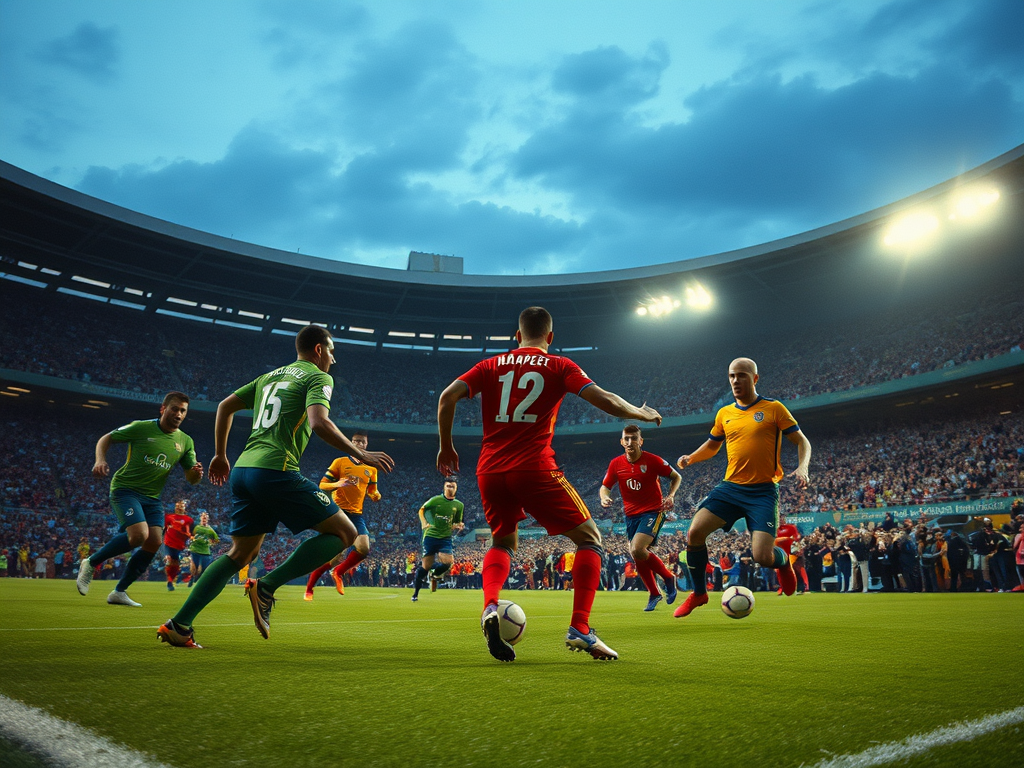
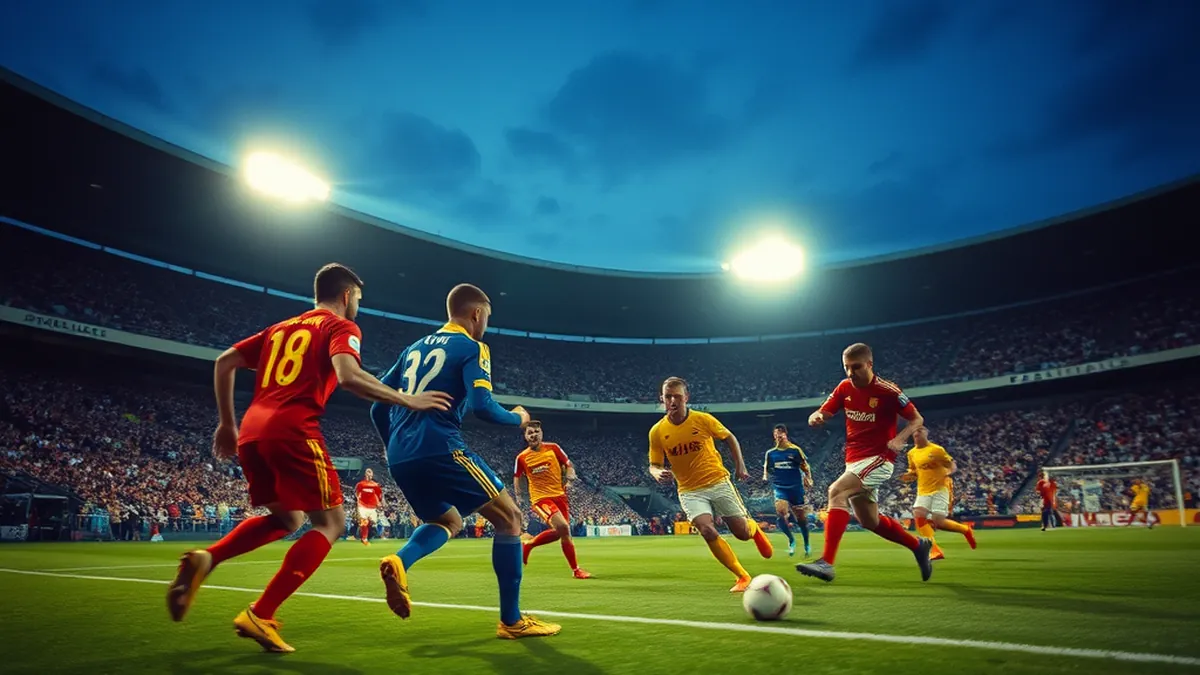
La Roja made history once again. Sixteen years after their triumph in South Africa, Spain lifted their second World Cup title at the 2026 tournament by beating Argentina 1-0 in a tight final on July 19. The winning goal came in extra time, scored by Ferran Torres, a player whom Rodri, the team captain, defended passionately in his post-match speech.
What happened in the 2026 World Cup final?
Spain’s match against Argentina was decided in the dying minutes of extra time. Ferran Torres, the Valencia-born forward, latched onto a crucial pass and beat Emiliano Martínez with a curling shot that sealed the victory. The goal arrived in the 118th minute, when the ball cannoned off the post before crossing the line, sparking wild celebrations in the stadium and across Madrid. Spain closed the tournament on a five-game winning streak, with a 5W-0D-0L record in their last five fixtures.
Luis de la Fuente’s side showed defensive steel and attacking punch, overcoming tough opponents like France and Brazil in earlier rounds. The final, however, was a tactical duel where patience and precision made the difference. Torres, who had faced criticism in the past, emerged as the tournament’s surprise hero.
Why this title matters for Spanish football
This triumph doesn’t just return Spain to the summit of world football - it also reaffirms the country’s youth academy system as one of Europe’s most productive. The generation of Rodri, Pedri and Gavi, among others, has proved that Spain’s signature style - technical, possession-based and fluid - remains a benchmark. The second star on the red shirt arrives exactly 16 years after the first World Cup win in South Africa, a milestone that shaped generations of fans.
The celebrations in Madrid drew two million fans who packed the streets to greet the champions. The open-top bus parade wound through the city to Plaza de Cibeles, where the team took to a stage to share the moment with supporters. Rodri used the platform to champion players like Torres, whose career had been clouded by unfair criticism.
What’s next for La Roja?
After the World Cup, Spain enters a brief lull before their next test: a friendly against England in London on September 26. The squad arrives with momentum sky-high and eyes on a long-term project. Luis de la Fuente has already indicated he’ll keep the core of the title-winning side, while also looking ahead to Euro 2028 and, of course, defending this new trophy.
The 2026 World Cup has delivered a clear message: Spain isn’t just a team with a glorious past - it has a bright present and future. And Ferran Torres, after years of doubt, now owns a place in that story.