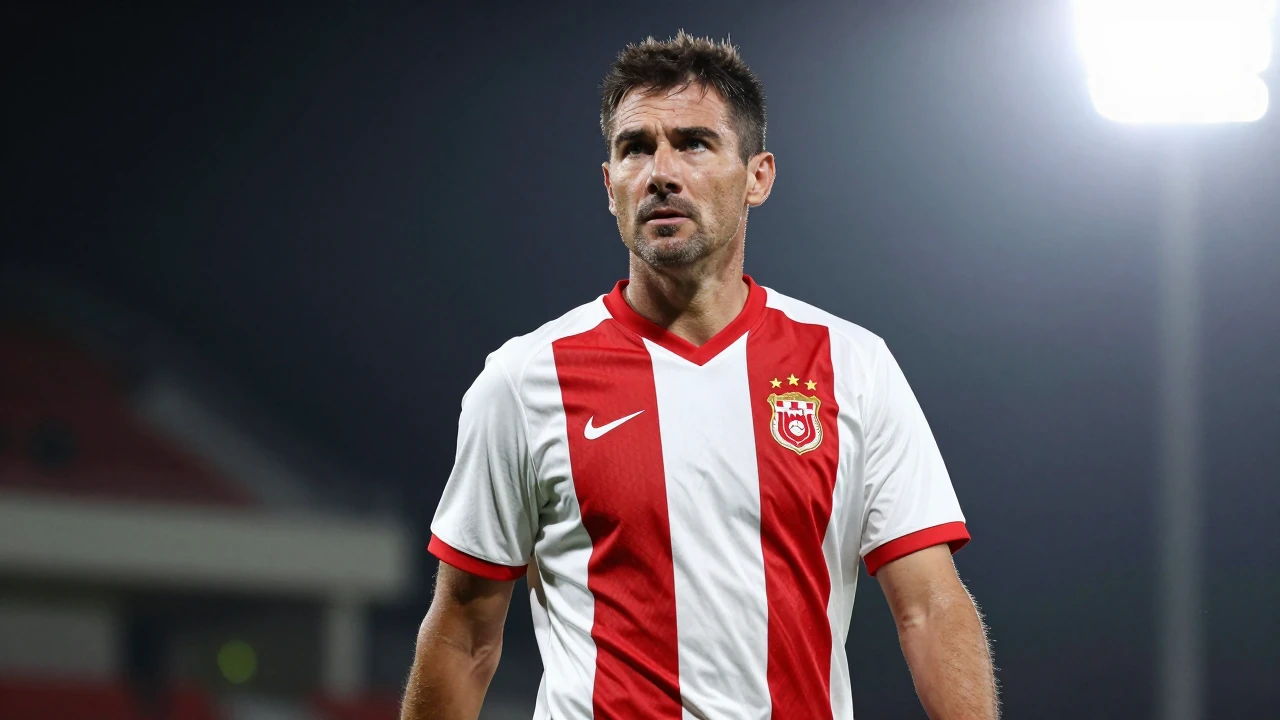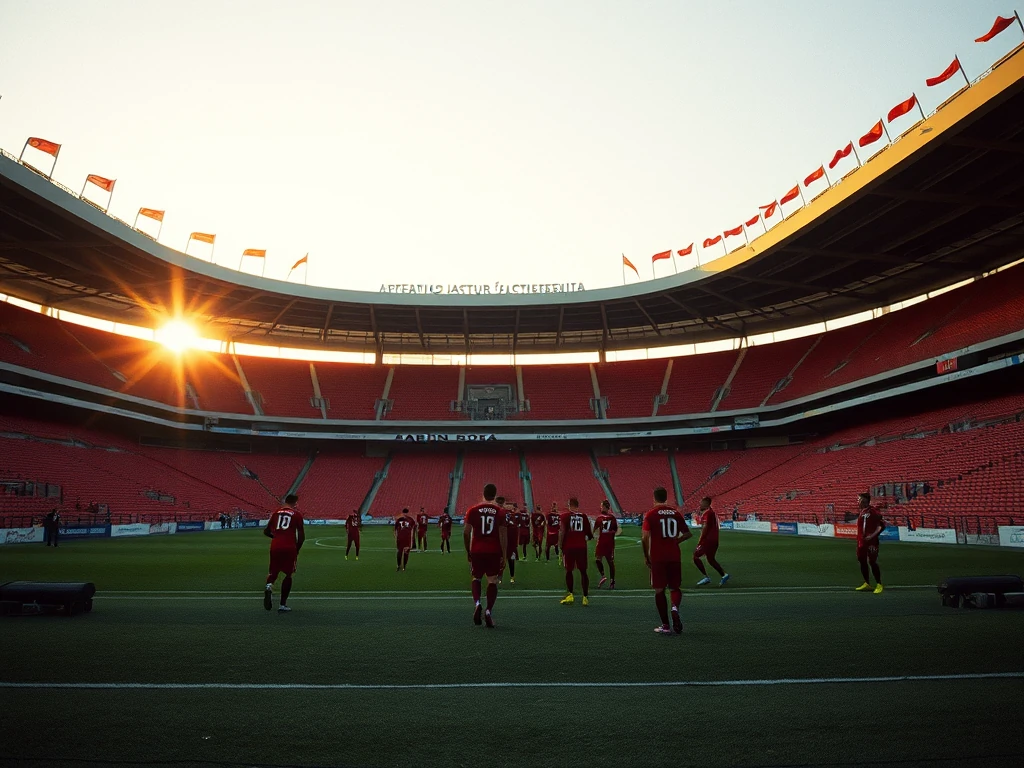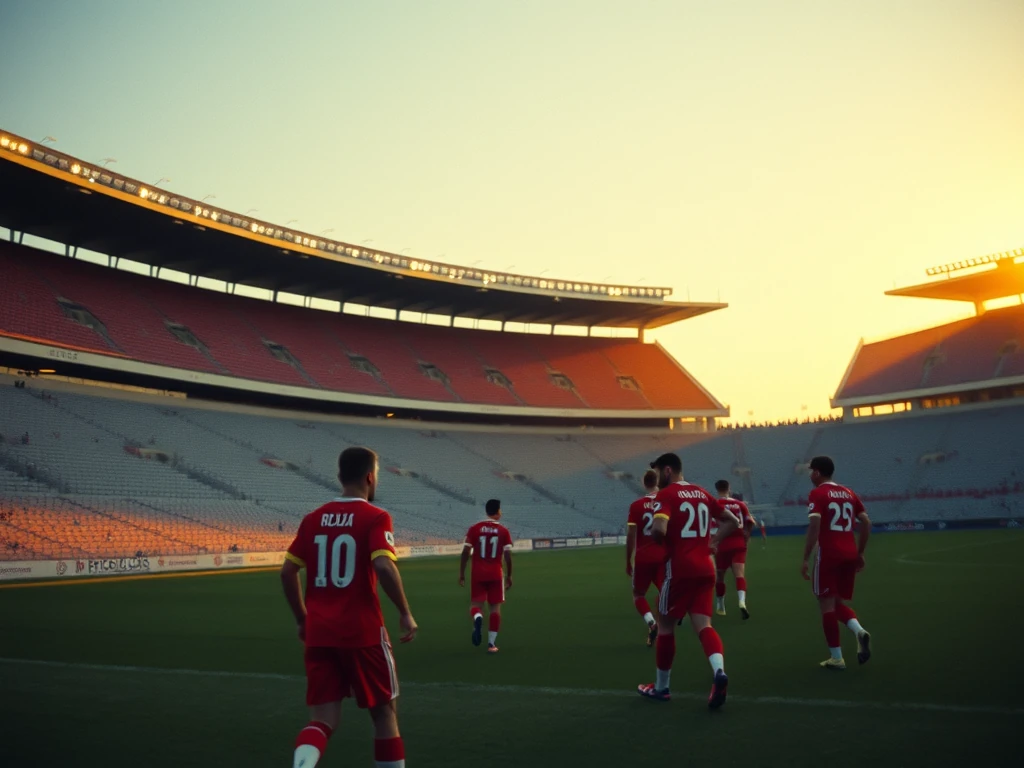
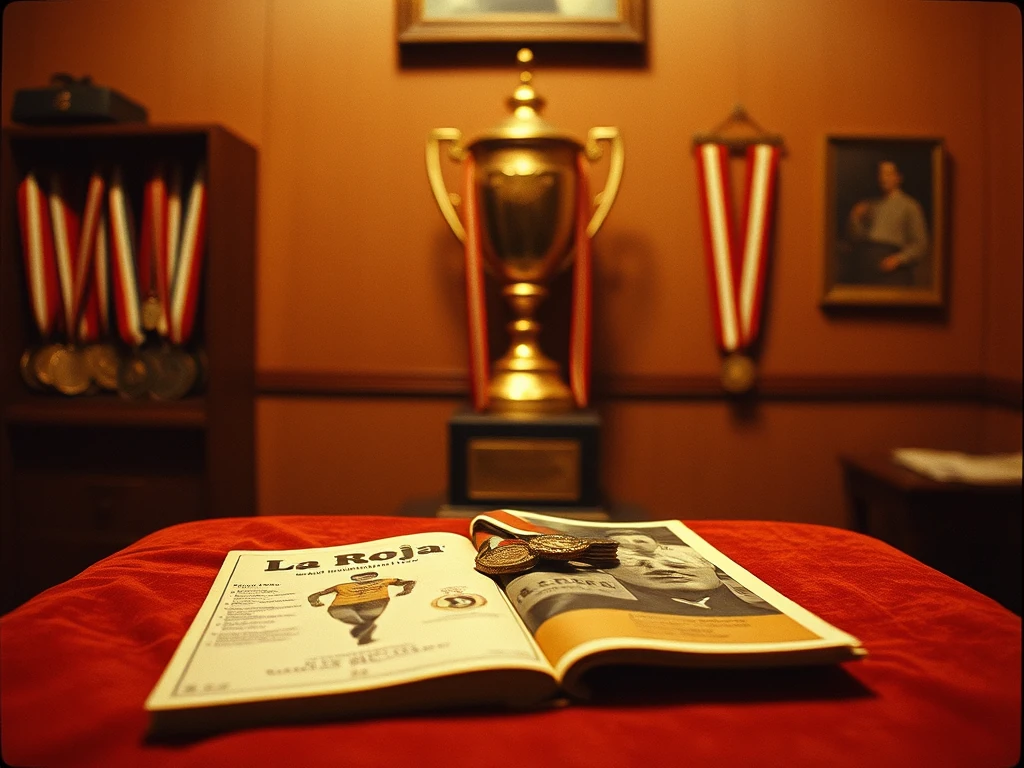
The Euro 2008 was not just a tournament; it was the beginning of a revolution that transformed La Roja from a team with unmeasurable potential to one of the most feared national teams in the world. Under the guidance of Luis Aragonés, Spain adopted a style of play based on possession and high pressing, dazzling fans and leading the national team to glory in Vienna.
The final match against Germany, held on June 29, 2008, was an exhibition of total football. Although the final score was 1-0, thanks to a goal from Fernando Torres, the result does not reflect the superiority Spain showed throughout the game. Aragonés had woven a team where each player, from goalkeeper Iker Casillas to forward Torres, played a crucial role in the collective symphony of Spanish football.
This triumph was historic not only for the title but also for validating a playing model that had been criticized in the past. Aragonés's vision and his ability to unite a group of individual talents into a cohesive team was a significant achievement. Players like Xavi Hernández and Andrés Iniesta began to shine on the international stage, establishing a new way of playing that would influence future generations.
The Euro 2008 was also a turning point in the identity of Spanish football. From that moment on, La Roja was no longer seen as a team that could not win in decisive moments. It became a symbol of national pride, where passion and technique came together to create a unique style of play. This led to a chain of successes, including the 2010 World Cup and the 2012 Euro Championship, solidifying Spain's position at the elite level of world football.
Today, as La Roja prepares for the 2026 World Cup, it is essential to remember the foundations that were established in 2008. The lesson from that team is clear: unity, confidence, and a defined style of play can transform not only a team but an entire nation. With young talents like Lamine Yamal and Gavi, Spain seeks to revive that spark of greatness that once took it to the top of world football.