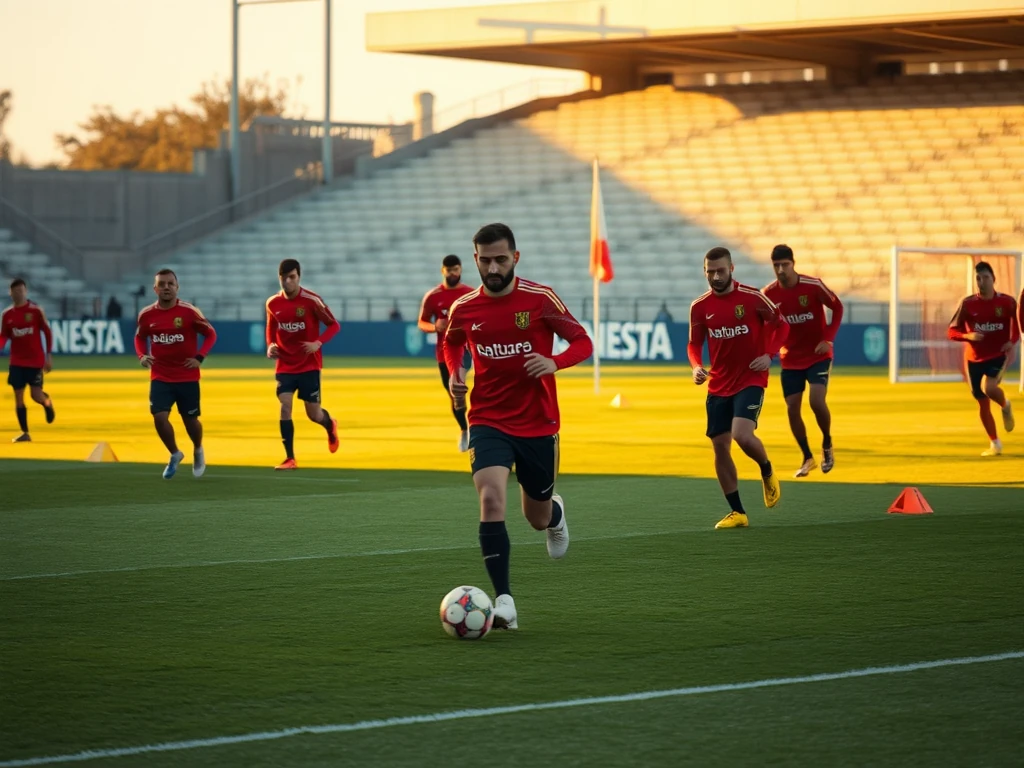
The 2010 FIFA World Cup in South Africa is remembered not only for Spain's first-ever world title but also for how La Roja revolutionized their style of play. Under Vicente del Bosque's leadership, the Spanish national team adopted the famous tiki-taka, a possession-based approach that became the hallmark of Spanish football during that era.
From the outset of the tournament, Spain showcased a playing style that dazzled the world. Despite a shaky start, losing to Switzerland in their opening match, the team adapted and improved, demonstrating an exceptional ability to maintain possession and create opportunities. This methodical approach not only allowed them to progress through the tournament but also left an indelible mark on how football is played today.
The final against the Netherlands was the culmination of this tactical approach. In a tense and fiercely contested match, Spain managed to score the only goal in extra time, thanks to a strike from Andrés Iniesta. This goal not only sealed Spain's victory but also symbolized the arrival of a new football style that prioritized technique and team cohesion.
Del Bosque's tactical revolution was evident not only on the pitch but also transformed the players' mentality. Each team member understood their role and how it fit into the system. Players like Xavi, Iniesta, and Sergio Busquets became icons of this style, taking it beyond Spain's borders and establishing a new standard in world football.
The victory in 2010 and the accompanying style of play brought glory to La Roja, but they also influenced future generations of footballers in Spain and around the world. The philosophy of possession-based play and the focus on teamwork have become a model to follow, with the Spanish national team remaining a benchmark for implementing an attractive and effective style of play. Thus, the 2010 World Cup was not just a triumph but the beginning of a golden era for Spanish football.
With an eye on the 2026 World Cup, the Spanish national team has the task of honoring that legacy by integrating new generations of talent while maintaining the essence that led them to success in 2010. La Roja's story is a testament to the fact that football is more than just a game; it is an art form that can unite a nation and leave a lasting impact on the world.