The Era of La Roja: Path to the 2026 World Cup
Spain's national football team, known as La Roja, has kicked off its preparations for the 2026 FIFA World Cup with a renewed focus and a blend of young talent and experience. Following a successful cycle in the 2010s, where Spain claimed the 2008 European Championship, the 2010 World Cup, and the 2012 European Championship, the pressure to regain that status is palpable. With the next mundial set to begin on 8 June 2026, fans are eager to see how the players perform under the guidance of new coach Luis de la Fuente.
Since his appointment in 2022, De la Fuente has been working to reintegrate key players while developing new prospects. The preparation has included friendlies and a qualifying phase where La Roja has shown solid performance, igniting hopes in the hearts of supporters. If you watched the recent matches, you would have noticed a shift in team dynamics and cohesion.
Key Players and New Promises
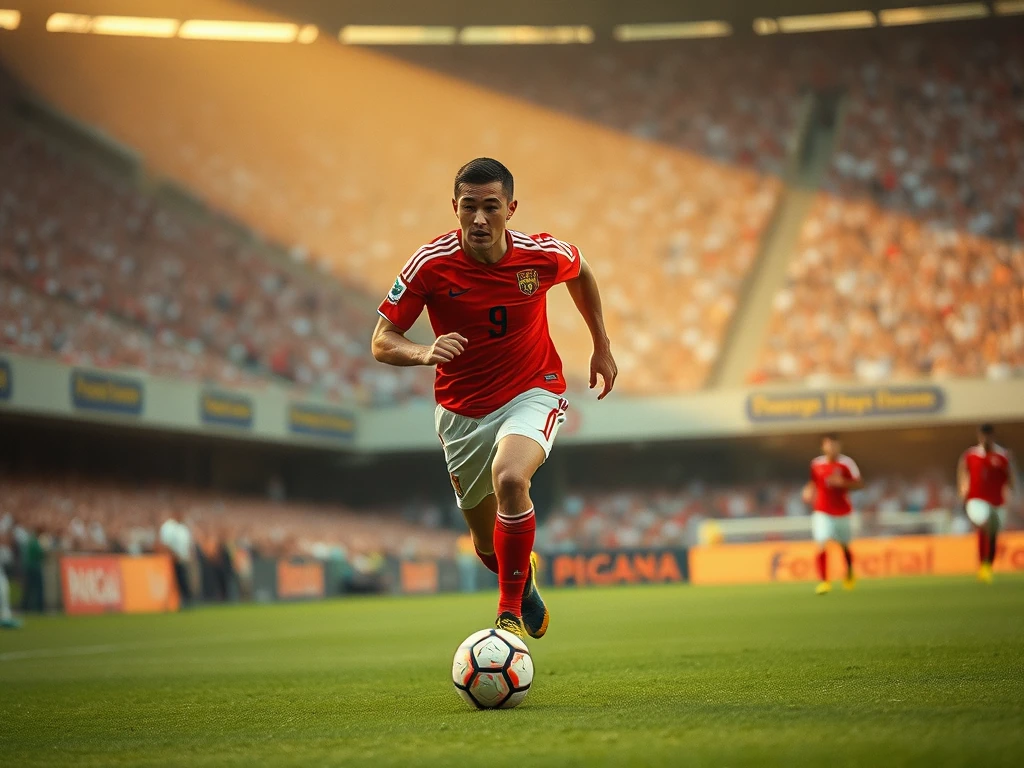
La Roja's roster for the 2026 World Cup combines the experience of players like Sergio Busquets and Gerard Piqué with the energy and talent of youngsters like Pedri and Jude Bellingham. This intergenerational approach could prove crucial for the team's success in the tournament.
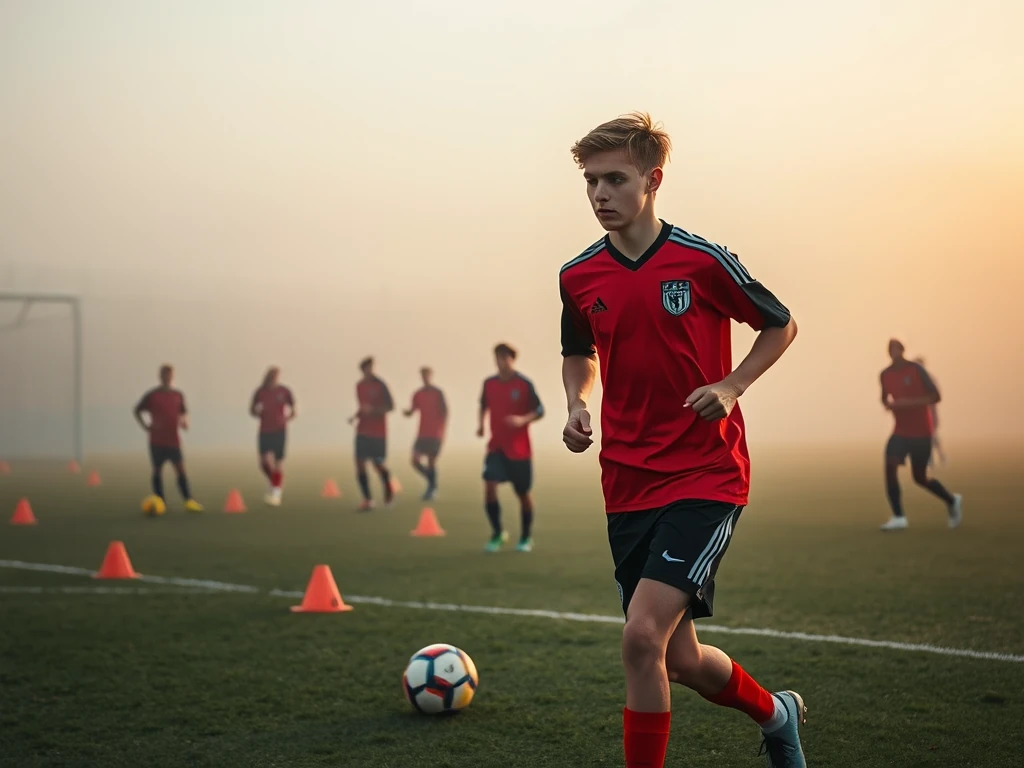
Some standout players during the qualifying phase include: - Gavi (18 years) - His ability to control the pace of the game is impressive. - Ferran Torres (23 years) - His goal-scoring and chance-creating capabilities have been pivotal. - Yeremi Pino (20 years) - A winger who has surprised many with his speed and technique.
The presence of these young players not only revitalizes the squad but also brings a fresh, ambitious mindset that’s crucial in a prestigious tournament like the World Cup.
Tactical Analysis of La Roja
Spain's style of play has evolved under De la Fuente, who has emphasized a more flexible formation that adapts to different opponents. In recent matches, the team has employed a 4-3-3 formation that prioritizes ball possession and vertical play.
Key tactical points of La Roja include: - High pressing: Quickly regaining possession to prevent opponents from settling. - Strategic positioning: Maintaining a compact and balanced structure on the pitch. - Wing play: Utilizing the speed of wingers to stretch the opposition's defense.
This approach has allowed Spain to be competitive in qualifying matches, and if they continue to progress, they could be one of the favorites at the World Cup.
What this means for Spain
Spain's preparation for the 2026 World Cup has significant implications for the Spanish fanbase. Supporters feel a renewed sense of optimism, especially with the inclusion of young players who have proven their capabilities in European leagues. The passion and commitment of these young athletes have rekindled interest in the team, and many believe this blend of youth and experience could take Spain far in the tournament.
However, not all fans are convinced. Some critics argue that the pressure on the youth may be overwhelming, and that a lack of experience in pivotal moments could prove costly. Still, excitement about seeing La Roja on the world stage continues to grow.
Prospects for Group Stage Opponents
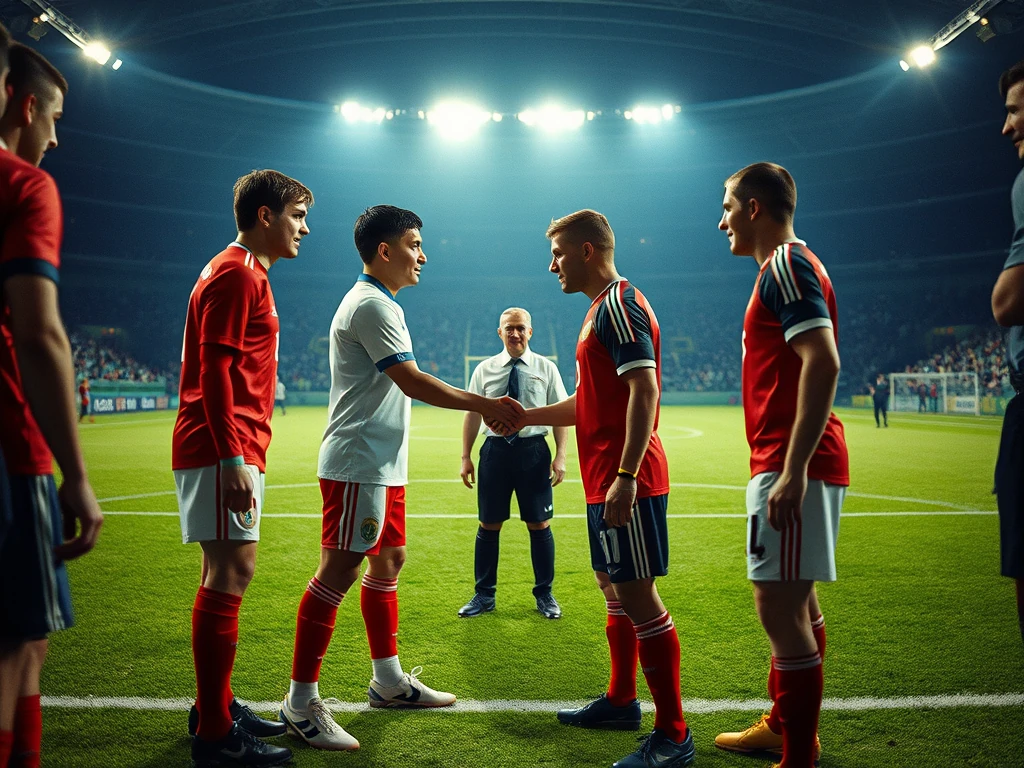
As part of their preparations, the potential opponents for Spain in the World Cup group stage have been announced. Rivals include strong teams like Germany, Argentina, and Japan. Each presents unique challenges that require meticulous preparation and in-depth tactical analysis.
The keys for Spain will be: - Adapting strategy to the characteristics of each opponent. - Maintaining concentration throughout the match, especially in critical moments. - Exploiting opponents' weaknesses, something De la Fuente has been working on in training.
Fan Culture and Support for La Roja
Fan support will be crucial for La Roja in the 2026 World Cup. The streets of Spain come alive with passion and hope every time an important match is played. Fans not only attend stadiums but also gather in squares and bars to cheer on the team. This vibrant culture creates a supportive environment that can influence player performance.
Supporters are eager to see how their idols face off against the best in the world. Social media has also played a vital role in spreading excitement for La Roja, with hashtags like #VamosEspaña going viral during matches. The connection between the team and its supporters is stronger than ever, and this could be a decisive factor in the team's success at the World Cup.
What's Next
With the 2026 World Cup on the horizon, La Roja has much to prepare for. Luis de la Fuente's leadership will be under scrutiny, and the squad will need to refine their strategies and tactics to compete with the best in the world. As the tournament dates approach, the fanbase will continue to rally behind their team, hoping La Roja can pen a new chapter in its rich footballing history.
In conclusion, the road to the 2026 World Cup is filled with promise and challenges. The blend of youth and experience could be the key ingredient for Spain to shine once more on the global footballing stage.