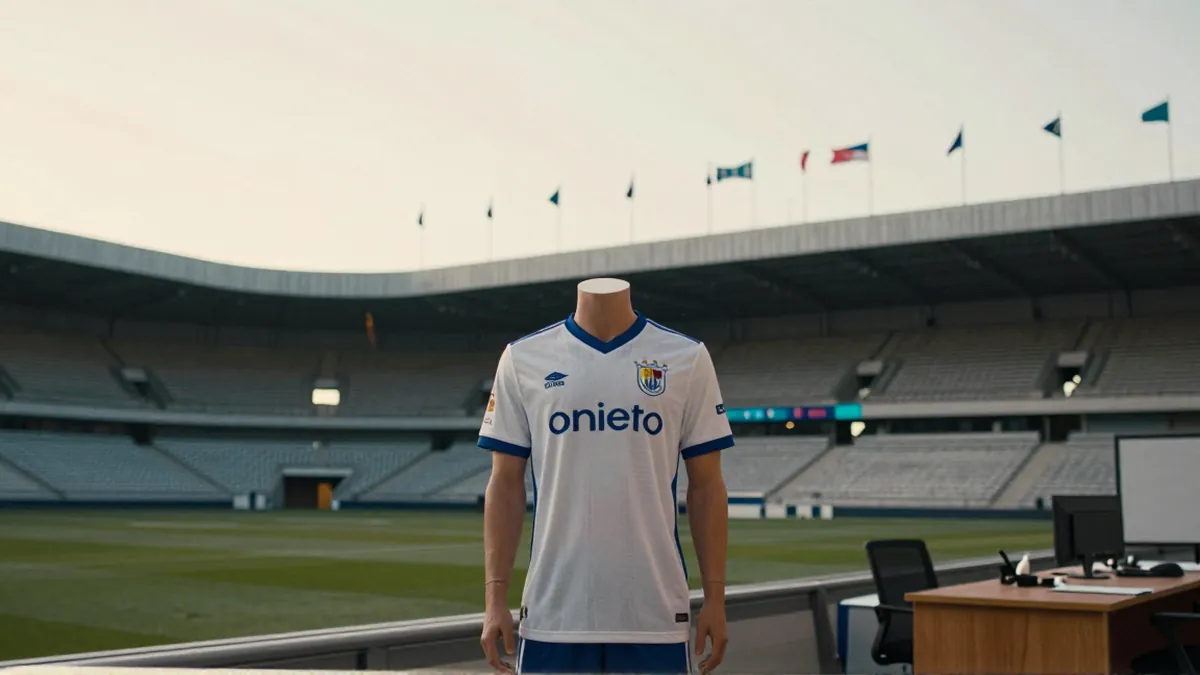
Spain’s white second kit for the 2026 World Cup has become a fashion phenomenon. Only 20% of the shirts worn by fans are authentic, according to recent estimates. The original Adidas version sold out within weeks, leaving counterfeit copies to flood Spanish streets. Spain beat Belgium 2-1 on July 10, 2026, and are on a five-game winning streak heading into the World Cup final.
Why Spain’s white jersey is a cultural hit
La Roja’s second kit for the 2026 World Cup breaks tradition with a vintage design inspired by ancient manuscripts, blending off-white, burgundy, and gold that shimmers in the light. Adidas product director for federations Mateo Kossmann called it "pretty from afar and up close." Its understated style appeals even to those who avoid Spain’s national colors due to political sensitivities.
The jersey’s success extends beyond football. It’s now a streetwear staple, selling in fashion stores and pairing effortlessly with everyday outfits. The catch? Authentic shirts cost €190, while fakes go for just €20-a gap that explains why knockoffs dominate the streets.
The counterfeit crisis during the World Cup
Spanish police seized 4,000 unlicensed shirts in Cantabria in June alone, with an estimated black-market value of €240,000. A recent operation netted 16 tons of fake jerseys and nearly 100 arrests. Yet the black market persists despite heavy fines.
ERC spokesperson Gabriel Rufián openly backed La Roja: "I hope Spain wins. I’m not hiding it." But he added political nuance, citing "eight Catalans" on the team-a jab that presenter Iñaki López countered with humor: "The goals are coming from the Basques."
What’s next for La Roja?
Spain heads into the World Cup final on a five-game winning streak. Their next match is against England on September 26, 2026, a crucial test to cement their dominance. Meanwhile, the white jersey remains a symbol of a team that, beyond football, has conquered style.