National Team
Spain: How has it changed since its 2010 World Cup win?
Spain gears up for the 2026 World Cup final. We look back at how the country has evolved since its first title in 2010, with political, urban, and social changes.
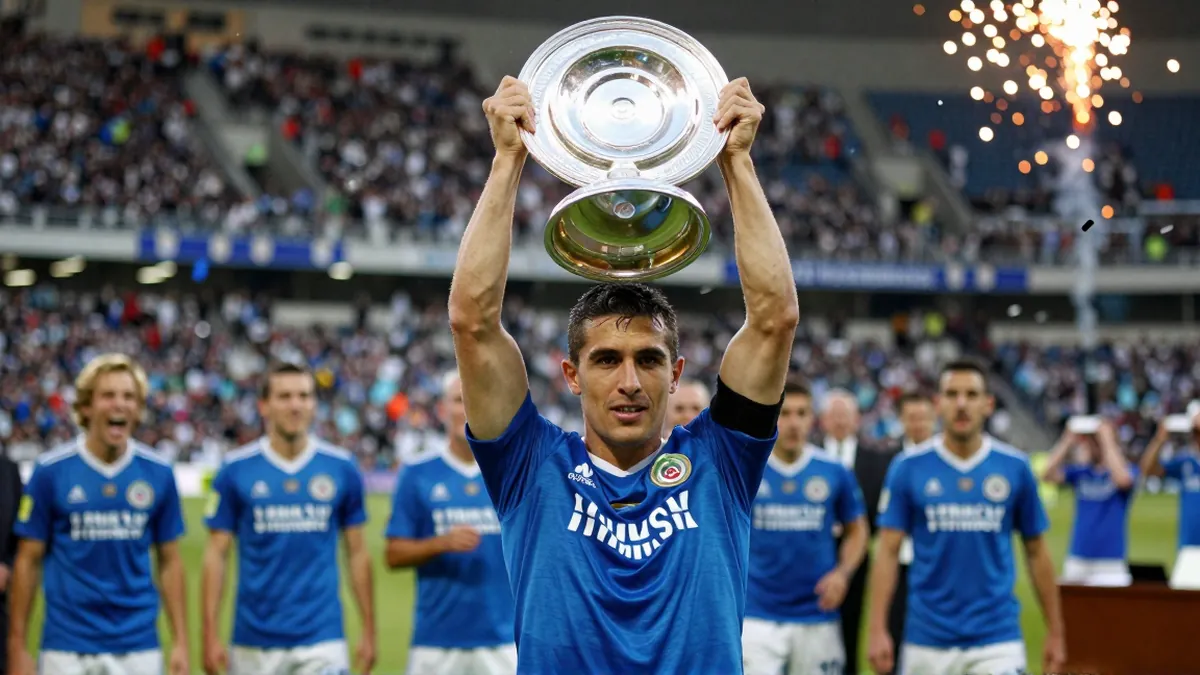
How has Spain changed since its 2010 World Cup win? The Spanish national team, La Roja, is preparing for the 2026 World Cup final after defeating Argentina (1-0) on July 19. Sixteen years have passed since Spain won its first World Cup title in South Africa, a milestone that marked Spanish football history. Since then, the country and its capital, Madrid, have undergone profound changes in infrastructure, transportation, politics, and culture. ## What has happened in Spanish politics? In 2010, Spain was governed by José Luis Rodríguez Zapatero, of the PSOE, in his second term. The country was facing a severe financial crisis, with unemployment above 20%. Today, the economic situation has improved, although challenges remain. Spanish politics has seen significant changes, including the emergence of new parties in the political landscape. ## How has public transportation evolved? In 2010, a Metro ticket cost one euro, compared to the current 1.50 euros. Additionally, the Metro network has expanded, with new stations such as La Almudena and Avenida de Guadalajara. Today, travelers can pay with bank cards at the turnstiles, a convenience that did not exist then. ## What has changed in urban life? Madrid has experienced notable transformations. Madrid Río, a park along the Manzanares River, was under construction in 2010 and is now an iconic space. The Vicente Calderón, the former stadium of Atlético de Madrid, has disappeared, making way for new urban developments. The Spanish national team, with a five-game winning streak, is preparing for its next match against England on September 26. The team, led by players like Rodri and Gavi, aims to consolidate its legacy in world football.